freshchat icon chat icon loading icon
custom-business-letterhead

What Is a Letterhead?

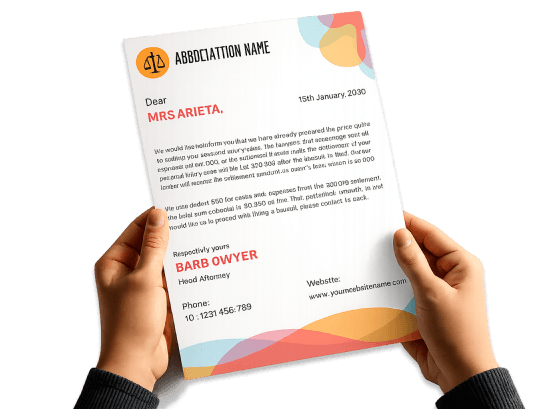
A letterhead is a professionally designed heading placed at the top of business documents. It typically includes a company logo, business name, contact information, and other branding elements that help identify the organization.
Create Your Own Letterhead
corporate-office-letterhead-template

Purpose of a Letterhead

  • A letterhead serves as an official representation of a business or organization. It provides recipients with essential company information while reinforcing brand identity across all forms of communication. Businesses use letterheads to establish credibility, maintain consistency, and ensure their documents appear professional. Whether sending a formal letter, invoice, proposal, or legal document, letterhead helps create a recognizable and authoritative presentation.

Why Letterheads Are Important

Professional Appearance:

A letterhead instantly makes documents look more polished and professional. It demonstrates attention to detail and helps create a positive first impression.

Brand Recognition:

Consistent use of logos, colors, and typography strengthens brand identity. Customers and partners can easily recognize documents associated with your business.
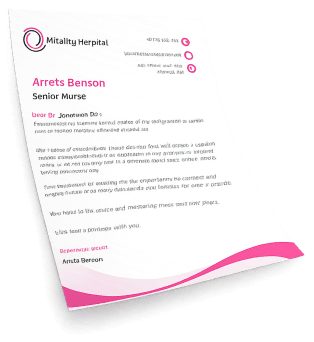
medical-clinic-letterhead-design

Trust and Credibility:

Official documents presented on company letterhead often appear more reliable and trustworthy than plain documents without branding.

Consistent Communication:

Using the same letterhead across business communications helps maintain a unified and professional image across departments and teams.
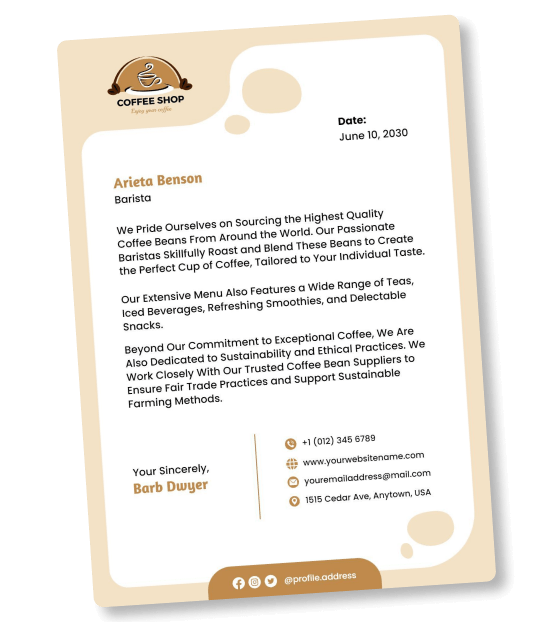
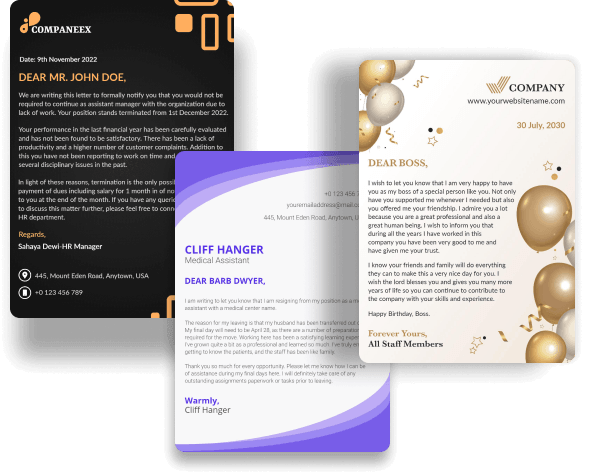
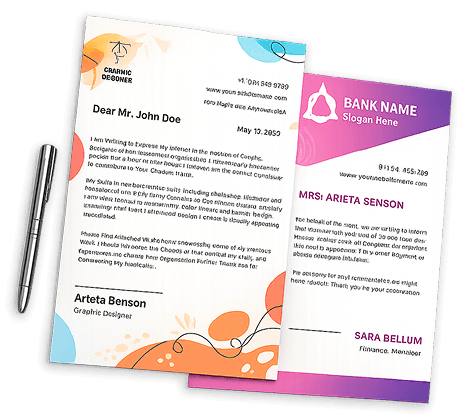
coffee-shop-letterhead-design

What Should a Letterhead Include?

  • An effective letterhead contains the information recipients need to identify and contact your organization.
  • Company Name: Display the official business name clearly and prominently.
  • Company Logo: A logo strengthens brand recognition and helps create a professional appearance.
  • Contact Information: Include relevant contact details such as phone numbers, email addresses, and website information.
  • Business Address: Adding a physical address provides legitimacy and makes it easier for clients or partners to reach your organization.
  • Website and Social Media: Including your website and professional social profiles allows recipients to learn more about your business.
  • Legal Information (Optional): Depending on your industry or region, you may include registration numbers, tax details, or other business credentials.
professional-letterhead-template-design

Types of Letterheads

  • Different organizations use different styles of letterheads based on their needs.
  • Business Letterhead: Designed for general business communication, proposals, invoices, and official correspondence.
  • Corporate Letterhead: Typically used by larger organizations and includes detailed branding guidelines and company information.
  • Personal Letterhead: Used by freelancers, consultants, and professionals for personal business correspondence.
  • Professional Services Letterhead: Common among lawyers, accountants, consultants, and agencies that require a formal presentation.
  • Nonprofit Letterhead: Used by charities, educational institutions, and nonprofit organizations to maintain a consistent organisational identity.
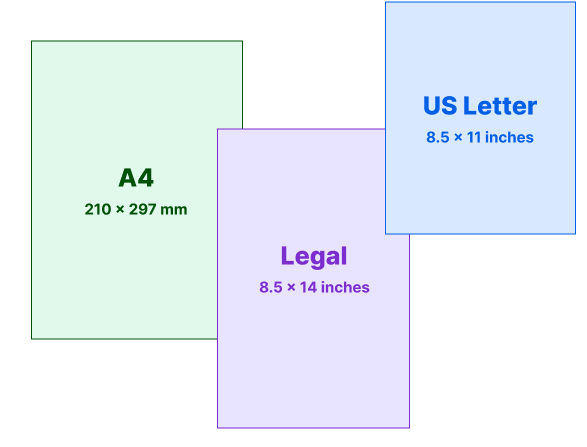
letterhead-paper-size-dimensions

Letterhead Size Guide

  • Selecting the correct size ensures your letterhead prints properly and remains compatible with standard office documents.
  • A4 Size: The most commonly used letterhead size in many countries.
    • Dimensions: 210 × 297 mm
    • Best for: General business correspondence
  • US Letter Size: Widely used in the United States and Canada.
    • Dimensions: 8.5 × 11 inches
    • Best for: Business documents and official letters
  • Legal Size: Used when additional space is required for contracts and legal documentation.
    • Dimensions: 8.5 × 14 inches
    • Best for: Legal and formal business documents

How to Design an Effective Letterhead

Creating an effective letterhead involves more than simply placing a logo at the top of a page. A professional letterhead should reflect your brand identity, communicate essential business information, and maintain a clean, organized appearance.

1. Define Your Brand Identity

Start by deciding what your ad should achieve, such as promoting a product, announcing a sale, or driving website traffic.

2. Choose the Right Visual Style

Select colors, fonts, and images that match your brand and make the ad visually appealing.

3. Write a Strong Headline

Create a short and clear headline that grabs attention and quickly explains the main message.

4. Highlight Key Details

Add important information like the offer, product benefits, or event details in short and easy-to-read text.

5. Use Eye-Catching Visuals

Include images, icons, or graphics that support the message and make the ad more engaging.

6. Add a Call-to-Action

Guide viewers on what to do next, such as “Shop Now,” “Learn More,” or “Sign Up.” CTA should inspire users to take action.

7. Organize the Layout

Arrange text and visuals neatly so the ad is easy to read and understand at a glance.

8. Check for Clarity

Review spacing, alignment, and contrast to ensure the ad looks balanced and communicates the message clearly.

Letterhead Examples and Use Cases

Letterheads are used across a wide range of industries and professional settings. Understanding common use cases can help you design a letterhead that meets your specific needs.
business-correspondence

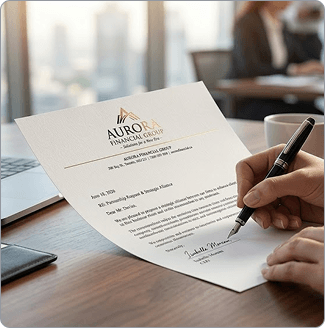
Business Correspondence:

Companies use letterheads for formal letters, client communications, partnership requests, & internal announcement.
invoices-and-billing-documents

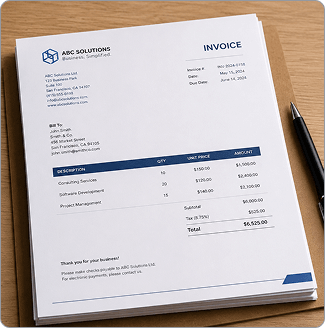
Invoices and Billing Documents:

Adding a letterhead to invoices helps reinforce branding and provides recipients with clear company information.
proposals-and-quotations

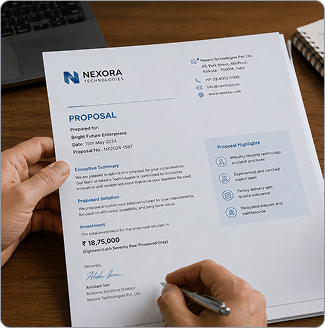
Proposals and Quotations:

Professional proposals and quotations often include letterheads to establish credibility and create a polished presentation.

legal-documents

Legal Documents:

Law firms and corporate legal departments frequently use letterheads for contracts, agreements, and official notices.
educational-institutions

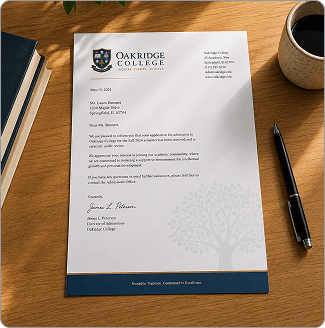
Educational Institutions:

Schools, colleges, and universities use letterheads for certificates, administrative communications, and official documentation.
healthcare-organizations

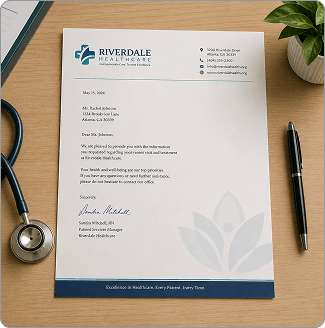
Healthcare Organizations:

Hospitals, clinics, and medical practices use letterheads for patient communications, reports, and administrative documents.
nonprofit-organizations

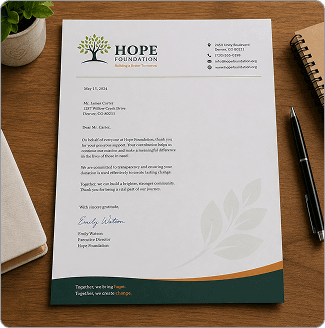
Nonprofit Organizations:

Charities and nonprofit groups use letterheads to maintain a consistent identity across fundraising materials, donor communications, and official correspondence.
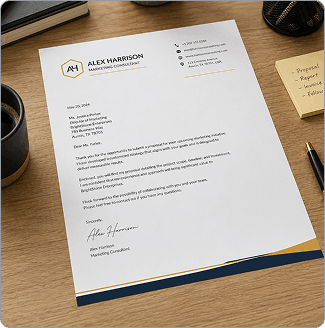
freelancers-and-consultants

Freelancers and Consultants:

Independent professionals use personalized letterheads to present proposals, reports, invoices, & client communications professionally.