Organizations often miss opportunities by mishandling customer relationships, but food drive flyers for local restaurants can transform dining into meaningful community partnerships. Using printable food drive flyer templates, restaurants can create visually compelling, authentic materials that showcase social responsibility and neighborhood investment. Strategically designed and distributed, these flyers reach audiences beyond digital channels, foster emotional connections, and build loyalty, positioning your restaurant as a trusted community institution rather than just a service provider.
How Can Food Drive Flyers Help Local Restaurants Build Stronger Community Connections?
Food drive flyers transform restaurants from mere dining establishments into community pillars by creating emotional connections beyond transactions. Using a flyer maker, restaurants can easily design and distribute these tangible marketing materials, showcasing genuine local involvement through food donation campaigns. This positions them as neighborhood champions who care about food insecurity while streamlining the promotional process.
Unlike digital ads, food drive flyers create lasting physical reminders of community partnership that customers keep and share. By using free flyer templates, businesses can quickly design professional-looking materials that demonstrate authentic social responsibility while building trust and loyalty among local residents who value companies that give back to their community.
Showcasing Restaurant Social Responsibility Through Food Collection Campaigns
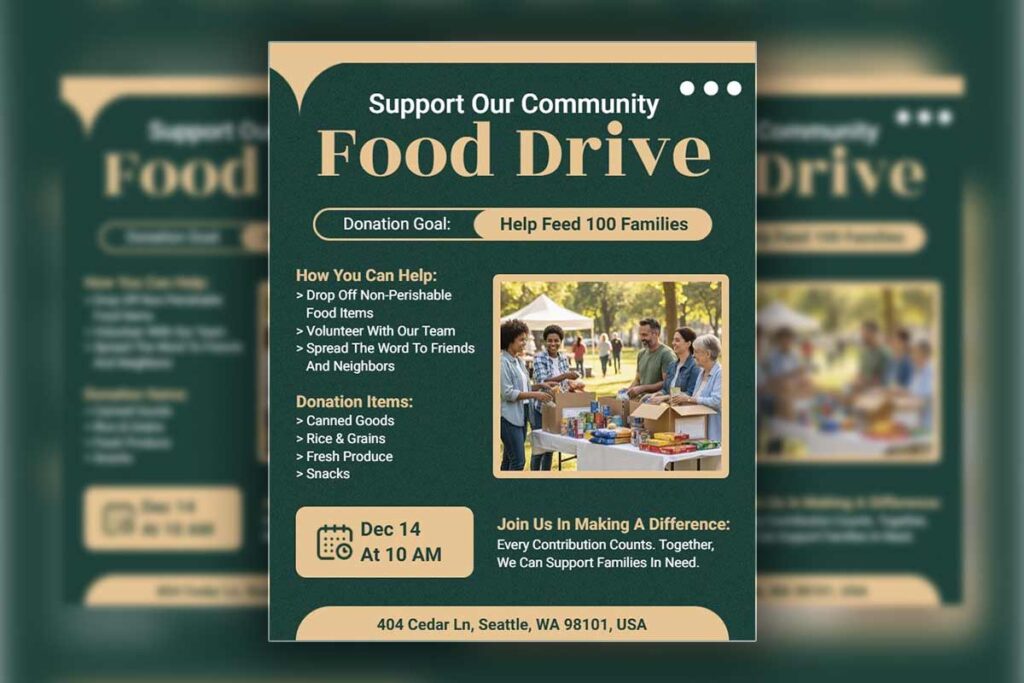
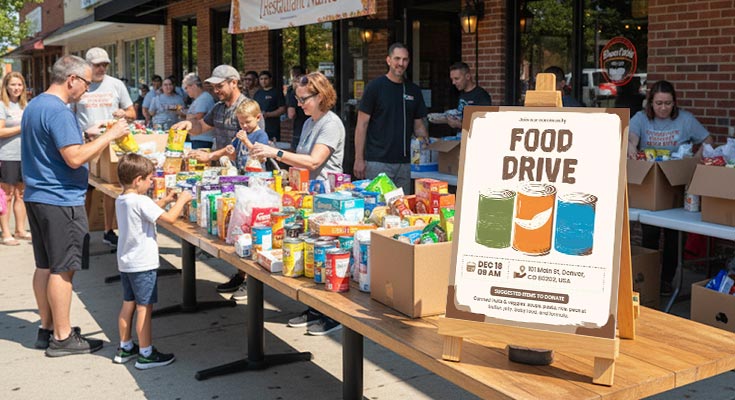
Food drive flyers spotlight restaurants as community leaders committed to addressing local hunger. These promotional materials feature restaurant branding alongside food bank partnerships, demonstrating tangible community investment that resonates with socially-conscious customers. Community food flyers showcase specific donation goals such as “Help Feed 100 Families This Month,” creating measurable impact customers can support.
Food donation flyers allow restaurants to tell authentic stories about their neighborhood commitment. They highlight partnerships with local schools, churches, and nonprofit organizations, showing deep community roots that chain competitors cannot replicate. These materials create emotional connections by featuring local families helped through previous drives, personalizing the impact for potential donors.
The visual design of food fundraising flyers reinforces restaurant values through warm colors and community photography. So customers who encounter these materials associate the restaurant with compassion and local investment, building brand loyalty that extends beyond menu preferences.
Building Customer Loyalty Through Tangible Community Partnership Displays
Physical food bank flyers create lasting touchpoints that digital marketing cannot match. Customers display these materials on refrigerators, bulletin boards, and community spaces, providing ongoing brand exposure while reinforcing the restaurant’s community commitment. This persistent visibility keeps restaurants top-of-mind during dining decisions.
Community food collection flyer examples demonstrate how restaurants leverage social proof through participation testimonials. Customer quotes about supporting local causes through the restaurant create authentic endorsements that influence purchasing decisions. These materials show potential customers they’re joining a community-minded dining establishment.
Food drive promotional flyer design tips include featuring customer participation photos and volunteer recognition. These elements create aspirational messaging where dining becomes community involvement. Customers feel part of something meaningful when choosing restaurants that actively address local needs through organized charitable efforts.
- Community Food Drive Event Flyer Template
- Modern Green Community Food Drive for the Homeless Flyer Template
- Community Mobile Food Drive Event Flyer Template
Creating Neighborhood Ambassador Networks via Food Fundraising Flyers
Food drive flyers serve as tools for converting customers into active brand ambassadors. By participating in charitable campaigns, diners promote the restaurant organically, enhancing visibility and fostering loyalty within local communities.
- Strategic Messaging for Advocacy – Flyers should encourage participants to share their involvement using prompts such as “Tell your neighbors about this drive” and include social media hashtags. This amplifies reach and engages diners as invested partners in the restaurant’s community mission.
- Ongoing Engagement Opportunities – Organize recurring food drives, seasonal campaigns, or holiday-specific collections to maintain consistent community interaction. Regular initiatives strengthen customer relationships, attract socially conscious diners, and provide repeat engagement touchpoints beyond single transactions.
- Networking Effects and Organic Growth – Participants naturally spread the restaurant’s message through their social circles, creating authentic word-of-mouth marketing. This approach grows the restaurant’s reputation sustainably without heavy reliance on paid advertising, fostering trust and community alignment.
Food fundraising flyers not only drive charitable impact but also transform customers into long-term brand ambassadors, creating organic growth and deepening community connections.
What Makes Food Drive Flyers More Effective Than Digital Marketing for Restaurant Outreach?
Food drive flyers outperform digital marketing for restaurant outreach through tactile engagement and persistent visibility that screens cannot match, utilizing proven strategies for raising food drive awareness. Physical flyers create memorable touchpoints that customers handle, keep, and display, generating ongoing brand awareness in homes and businesses.
They reach demographics who limit social media use while building authentic community credibility through grassroots distribution. Food donation flyers also encourage face-to-face conversations between staff and potential customers, fostering personal relationships that digital ads simply cannot replicate in competitive local markets.
Physical Flyer Persistence vs Digital Ad Disappearance Rates
Food drive flyers maintain visibility for weeks or months after distribution, unlike digital ads that vanish once users scroll past. Restaurant customers often post flyers on refrigerators or bulletin boards, extending reach to family members and visitors who never saw original social media campaigns. When comparing print and digital advertising, the tangible nature of physical flyers creates longer-lasting impressions.
Digital marketing requires constant budget allocation to maintain visibility, while food drive flyers generate sustained awareness through single distribution efforts. Food bank flyers placed in community spaces continue attracting attention weeks after posting, building restaurant recognition among neighborhood residents who prioritize local businesses. Recognition grows via print strategies that sustain visibility in community settings.1 This persistence creates cost-effective marketing that accumulates value over time rather than disappearing immediately such as sponsored social posts.
Direct Human Interaction Opportunities Through Food Bank Flyer Distribution
Food drive flyers create natural conversation starters between restaurant staff and community members during distribution, building personal connections impossible through digital channels. Staff members can answer questions about menu items, explain community involvement, and personally invite people to visit the restaurant.
Community food flyers distributed at local events allow restaurant representatives to meet potential customers organically, discussing both charitable causes and dining options simultaneously. These interactions provide valuable feedback about community preferences while demonstrating genuine neighborhood commitment. Restaurant owners can personally hand out food fundraising flyers at farmer’s markets or community centers, creating memorable encounters that social media algorithms cannot replicate.
- Community Fresh Food Bank Service Flyer Template
- Southwest Texas Food Bank Donation Flyer Template
- Community Food Bank Donation Drive Flyer Template
Targeting Non-Digital Community Demographics with Community Food Flyers
Community food flyers are highly effective for reaching residents who limit social media use but remain engaged with tangible, local marketing materials. These efforts connect restaurants to neighborhood decision-makers and socially conscious audiences who value authentic community involvement.
- Neighborhood Distribution Channels – Place flyers in community centers, libraries, local businesses, grocery stores, and pharmacies to reach residents who may not interact with online content. Traditional physical placement ensures visibility among older or privacy-conscious community members.
- Charitable Engagement Appeal – Highlight food drive initiatives to resonate with community-minded residents who prioritize supporting local businesses demonstrating social responsibility. Flyers can inspire word-of-mouth promotion, increasing local dining referrals organically.
- Accessing Local Influencers – Community leaders, volunteers, and organizers often coordinate group activities and family decisions. Flyers provide restaurants access to these influential advocates, establishing connections that digital channels alone rarely achieve.
Leveraging physical community food flyers enables restaurants to engage non-digital demographics, strengthen local presence, and build lasting relationships with socially active residents.
How Do Successful Restaurants Use Food Drive Flyers to Compete Against Chain Establishments?
Successful restaurants leverage food donation flyers as powerful community engagement tools that showcase their local commitment and values-driven approach. Unlike chain establishments, independent restaurants can highlight personal connections to community causes, feature local partnerships with food banks, and demonstrate authentic neighborhood investment. These effective marketing strategies for small businesses create competitive advantages that corporate entities struggle to replicate.
These food bank flyers position restaurants as community pillars rather than just dining options, creating emotional bonds that chains struggle to replicate. By organizing food collection events and promoting them through compelling flyers, local restaurants build customer loyalty based on shared values and community impact, differentiating themselves through meaningful local engagement.
Leveraging Community Partnerships to Build Brand Authenticity
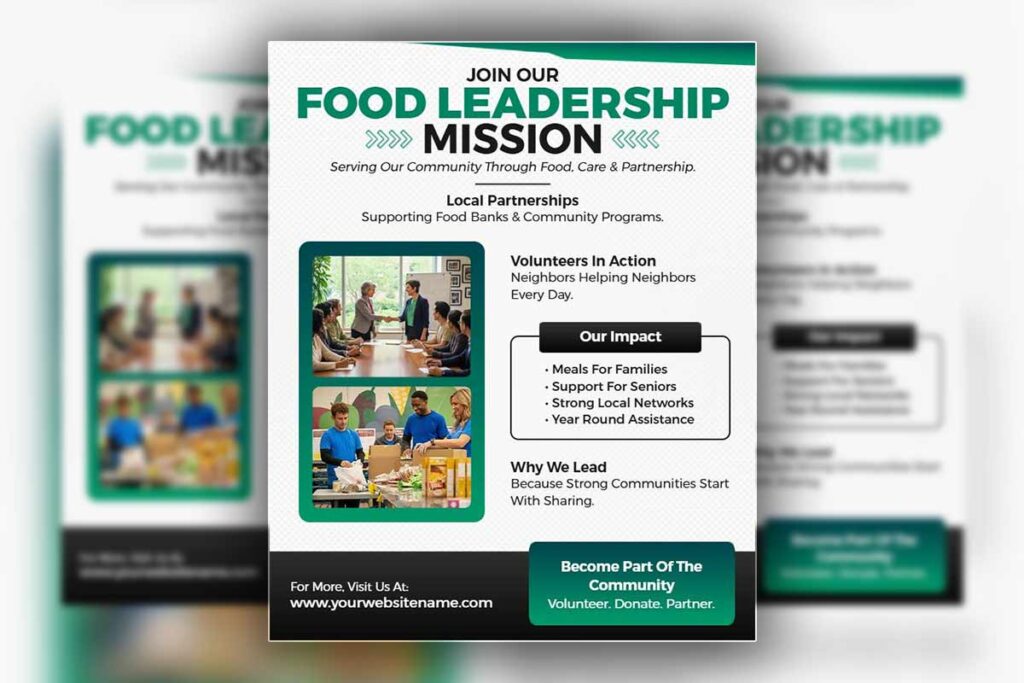
Food drive flyers showcase authentic local partnerships that corporate chains cannot duplicate. Independent restaurants feature partnerships with neighborhood food banks, local schools, and community centers directly on their promotional materials. These community food flyers include specific local organization names, feature staff volunteering photos, and highlight years of neighborhood involvement.
Restaurant owners can share personal stories about community connections, display partnership awards, and showcase local supplier relationships. Unlike standardized corporate messaging, local establishments customize every flyer with genuine neighborhood references, creating credibility that resonates with residents who value supporting businesses deeply invested in their area’s welfare and growth.
Creating Emotional Customer Connections Through Social Impact Messaging
Food fundraising flyers tap into customers’ desire to support businesses making positive community impact. Successful restaurants feature stories of local families helped through food drives, include testimonials from food bank directors, and showcase tangible results such as “300 meals provided to Lincoln Elementary families.” This social impact messaging transforms dining decisions into community support choices.
Restaurants highlight staff volunteer hours, display thank-you letters from beneficiaries, and share impact statistics unique to their establishment. Community food assistance posters create emotional connections by showing real neighborhood impact, encouraging customers to choose restaurants that align with their values while building lasting loyalty through shared community investment and meaningful local engagement.
- Charitable Food Drive Donation Event Flyer Template
- Community Food Drive Donation Flyer Template
- Playful Green Food Drive Fundraising Event Flyer Template
Positioning Local Values Against Corporate Chain Marketing
Food drive flyer campaigns provide an opportunity for local restaurants to showcase authentic community engagement and differentiate themselves from corporate chains. Emphasizing local involvement and personalized relationships strengthens both brand image and customer loyalty.
- Community-Centric Storytelling – Include owner photos, family narratives, and multi-generational connections to highlight genuine neighborhood investment. Flyers can showcase flexible charitable initiatives tailored to local needs that large chains cannot match.
- Highlight Local Economic Impact – Emphasize how supporting local restaurants sustains jobs, keeps profits in the community, and strengthens neighborhood infrastructure. Flyers can use simple infographics showing dollars reinvested locally or community programs sponsored.
- Contrast With Corporate Standardization – Demonstrate how chains provide uniform, impersonal charitable programs lacking customization or responsiveness. Position local initiatives as more meaningful, timely, and directly impactful, turning flyers into tools for competitive differentiation. Differentiation through local sourcing in restaurant marketing.2
Positioning local values through food drive flyers reinforces community leadership, drives customer preference toward neighborhood restaurants, and creates tangible advantages over corporate competitors.
What Design Elements Make Food Drive Flyers Most Compelling for Community Participation?
Compelling food drive flyers combine warm, inviting color schemes with authentic community photography to create emotional connections that inspire action. Incorporating creative flyer design ideas helps restaurants craft materials that stand out in competitive community environments. Effective designs feature clear participation instructions, prominent local restaurant branding, and visual storytelling that shows real community impact.
Essential elements include readable typography with action-oriented headlines, strategic white space for easy scanning, and trust-building components such as local endorsements or partnership logos. The most successful community food flyers balance professional design with approachable, friendly aesthetics that incorporate essential flyer design elements that reflect neighborhood warmth while clearly communicating the cause, collection details, and meaningful contribution opportunities.
Visual Storytelling Techniques That Inspire Community Action
Understanding how to make a flyer that tells a compelling story is crucial for inspiring community action. Effective food donation flyers use authentic photography showing diverse families receiving assistance, creating emotional resonance with potential donors. Show before-and-after scenarios through split images depicting empty food bank shelves transforming into well-stocked pantries. Include progress indicators such as thermometer graphics tracking donation goals or visual milestones celebrating community achievements. Feature recognizable local landmarks and businesses to establish immediate neighborhood connection and trust.
Photography should capture genuine moments rather than staged scenarios while avoiding common flyer design mistake– children receiving healthy meals, elderly neighbors accessing assistance, or families shopping with dignity at food pantries. These authentic visuals communicate impact more effectively than generic stock photos. Community photos build credibility by showing real beneficiaries and volunteers, making the cause tangible and urgent for potential contributors.
Typography and Layout Strategies for Maximum Readability and Impact
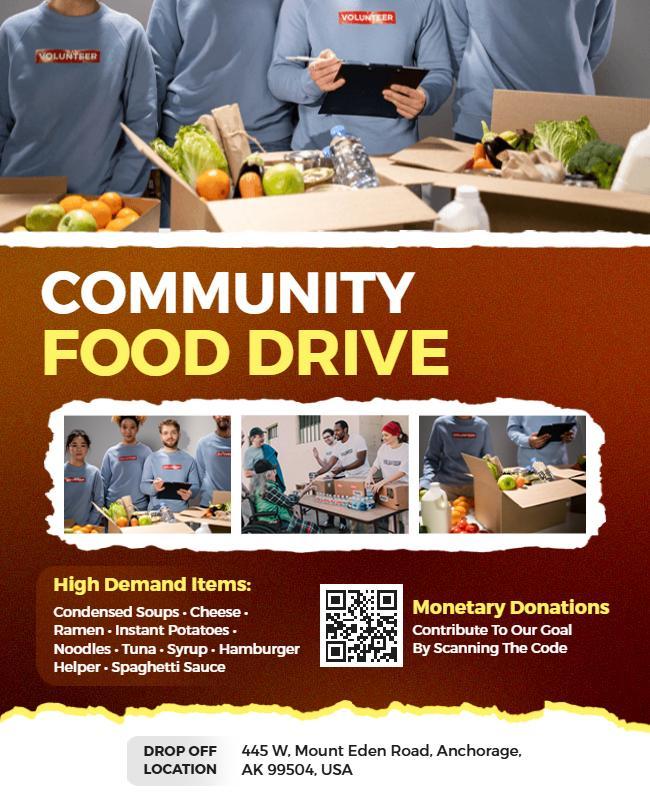
Priority information requires bold, large fonts that capture attention from several feet away. Use hierarchy with headlines in 24-point fonts, key details in 16-point fonts, and supporting information in 12-point fonts minimum. Sans-serif fonts such as Arial or Helvetica ensure readability across all printing conditions and viewing distances.
Create scannable layouts using bullet points for donation guidelines, numbered lists for collection times, and clear sections separating different information types following professional flyer layout principles. White space prevents overwhelming readers and guides eyes toward essential elements such as donation locations and contact information.
Action-oriented headlines such as ‘Help Fill Our Neighbors’ Pantries’ or ‘Join Our Community Care Campaign’ motivate participation better than passive phrases when using effective call-to-action techniques. Include prominent call-to-action boxes highlighting specific needs: “Needed: Canned Vegetables, Rice, Cereal” with clear deadlines and drop-off instructions.
- Community Food Distribution Drive Thru Flyer Template
- Colorful Green Food Drive Donation Awareness Flyer Template
- School Community Food Drive Awareness Flyer Template
Color Psychology and Photography Choices That Build Trust and Warmth
Design choices for food drive and community event flyers should evoke trust, warmth, and inclusivity. Thoughtful color palettes and photography reinforce positive emotions, encouraging participation and support.
- Warm and Trust-Building Colors – Use golden yellows, soft oranges, and earth tones to create welcoming, comfortable atmospheres. Blue accents convey reliability and trust, while green suggests growth and renewal. Avoid harsh reds or stark blacks that may evoke crisis or desperation.
- Culturally Relevant Combinations – Adapt colors to local contexts while staying informed about current design trends: southwestern regions may favor terracotta and sage green, while coastal communities benefit from soft blues and sandy beiges.
- Dignified, Positive Photography – Feature images of families making healthy choices, volunteers collaborating, and community members engaging respectfully. Avoid depictions of poverty or distress; instead, use natural lighting and bright, hopeful compositions to emphasize community celebration and collective care.
Using intentional color psychology and respectful photography positions food drives as positive, engaging community events that foster trust, participation, and long-term support.
How Can Local Restaurants Measure the ROI of Their Food Drive Flyer Campaigns?
Local restaurants can measure food drive flyer ROI by tracking donation participation rates, new customer acquisition, and social media engagement generated from campaigns. Calculate cost-per-participant by dividing total flyer production and distribution costs by number of donors attracted.
Monitor increased foot traffic during drive periods, track social media mentions and shares, and survey participants about brand awareness. Measure long-term customer retention from new contacts acquired through food donation flyers. Compare baseline sales metrics before and after campaigns, factoring in community goodwill value and enhanced local reputation that drives future business growth.
Calculating Cost-Per-Donor Metrics for Food Collection Flyers
Track total campaign costs including design, printing, and distribution expenses for accurate ROI measurement. Divide these costs by total participants to determine cost-per-donor acquisition. Include staff time spent distributing flyers and collecting donations in your calculations. Monitor which distribution methods generate highest participation rates – door-to-door, business partnerships, or community center placement.
Compare cost-per-donor against traditional advertising methods such as newspaper ads or radio spots. Most successful restaurants find food drive flyers cost 40-60% less per participant than paid advertising while building stronger community relationships. Relationships tracked through social media ROI for nonprofits.4 Document donation quantities collected per dollar spent on marketing materials to establish baseline metrics for future campaigns.
Tracking Brand Awareness Lift from Community Food Campaigns
Measure brand awareness through pre and post-campaign surveys asking community members about restaurant recognition. Track social media mentions, shares, and new followers gained during food collection periods. Monitor website traffic increases and Google My Business profile views during active campaigns. Use unique promotional codes on flyers to track conversion from awareness to actual dining visits.
Survey food bank volunteers and participants about restaurant recall and likelihood to visit. Compare baseline brand search volume before campaigns against increases during active periods. Document media coverage and community newsletter mentions generated by charitable activities. Track referral traffic from partner organizations promoting your food drive participation through their channels.
- Annual Community Food Drive Event Flyer Template
- Christmas School Food Drive Flyer Template
- Community Can Food Drive Event Flyer Template
Converting Food Bank Flyer Participants into Loyal Restaurant Customers
Food drive participants represent an untapped opportunity for building long-term restaurant loyalty. Strategic follow-up and personalized engagement transform one-time donors into repeat customers while reinforcing the restaurant’s community commitment.
- Targeted Incentives and Follow-Up – Offer dining discounts of 10–15% within 30 days post-campaign and send thank-you notes paired with menu samplers. Highlight signature dishes and stories of community involvement to create emotional connections and encourage first visits.
- Tracking and Loyalty Integration – Use unique customer codes or loyalty program sign-ups to monitor repeat visits and calculate average lifetime value of converted participants. Surveys on dining preferences and dietary restrictions help tailor future marketing, increasing engagement and retention.
- Community Engagement and Social Amplification – Host appreciation events with discounted meals for contributors to foster ongoing participation. Encourage participants to share positive experiences on social media, amplifying word-of-mouth effects and attracting new potential customers.
By combining incentives, tracking, and community-focused engagement, restaurants can convert food drive participants into loyal, high-value customers while strengthening brand reputation.
What Distribution Strategies Work Best for Restaurant Food Drive Flyers in Neighborhoods?
Effective neighborhood distribution for restaurant food drive flyers includes partnering with local businesses for cross-promotion, targeting high-traffic community locations such as grocery stores and pharmacies, and leveraging existing customer networks. Door-to-door distribution in residential areas within 2-3 miles maximizes local participation. Collaborate with schools, churches, and community centers as trusted distribution partners.
Digital integration through neighborhood social media groups and local Facebook pages amplifies reach. Time distribution 2-3 weeks before drive dates, using multiple touchpoints including storefront displays, staff hand-distribution during peak hours, and strategic placement at community events and local festivals.
Partnering with Local Businesses for Food Donation Flyer Cross-Promotion
Strategic partnerships with complementary businesses create powerful distribution networks for food drive flyers. Establish reciprocal agreements with grocery stores, pharmacies, coffee shops, and retail establishments to display your food collection materials on their bulletin boards or near checkout areas. These partnerships provide credibility through trusted business relationships while expanding your reach to customers already engaged in community shopping patterns.
Approach businesses that share your community values, offering to promote their services in your restaurant in exchange for flyer placement. Medical offices, hair salons, and auto repair shops maintain regular customer bases perfect for food drive participation. Create co-branded flyers featuring multiple local business logos to demonstrate community unity. Document partnership agreements clearly, specifying placement duration, flyer quantities, and mutual promotional commitments to ensure consistent community messaging.
Timing and Frequency Optimization for Community Food Flyer Distribution
Distribution timing significantly impacts food drive flyer effectiveness. Launch campaigns 2-3 weeks before collection dates, allowing sufficient planning time without losing urgency. Tuesday through Thursday distribution captures peak community attention before weekend planning activities. Avoid month-end timing when household budgets face constraints, instead targeting mid-month periods when disposable income availability peaks.
Coordinate with local payroll cycles in your area, distributing flyers shortly after major employers issue paychecks. School dismissal times and commuter rush hours provide excellent opportunities for staff hand-distribution in parking areas and sidewalks. Multiple touchpoints increase participation rates through repeated exposure across different community interaction points. Space distribution waves 3-4 days apart to reinforce messaging without overwhelming residents while avoiding flyer distribution mistake. Track response rates by distribution timing to optimize future campaigns for your specific neighborhood demographic patterns.
- Charitable Food Drive Donation Event Flyer Template
- Free Food Delivery Nonprofit Event Flyer Template
- Bold Orange Charity Food Drive Collection Flyer Template
Leveraging Digital Neighborhood Networks to Amplify Food Bank Flyer Reach
Digital neighborhood platforms expand the impact of food bank flyers by reaching engaged, community-focused residents beyond physical distribution limits. Coordinating online and offline efforts ensures maximum visibility and participation.
- Targeted Local Platforms – Share flyers in neighborhood Facebook groups, Nextdoor communities, and local forums where residents actively seek community involvement opportunities. High-quality images paired with compelling captions emphasize local impact and participation ease.
- Shareable and Mobile-Optimized Content – Create digital flyer versions designed for smartphones, ensuring visual clarity and readability. Encourage community members to share posts, leveraging trusted peer networks such as parenting groups, homeowner associations, and school parent communities.
- Coordinated Multi-Channel Timing – Align digital posts with physical flyer placement for simultaneous exposure. Use local hashtags, geotags, and real-time updates on donation goals or volunteer needs to sustain engagement and amplify reach throughout the campaign, or incorporate QR codes to bridge physical and digital marketing.
Integrating neighborhood networks with traditional flyer distribution maximizes awareness, drives participation, and maintains momentum for food bank drives while building community engagement.
How Do Food Drive Flyers Help Restaurants Establish Long-term Customer Relationships?
Food drive flyers position restaurants as community champions rather than mere businesses, creating emotional bonds that transcend transactional relationships. When restaurants organize food donation events through compelling flyers, they demonstrate genuine care for local families facing food insecurity. This community leadership builds trust and loyalty that keeps customers returning long after the drive ends.
The shared experience of contributing to a meaningful cause creates positive associations with the restaurant brand. Additionally, food drive flyers showcase the restaurant’s local commitment, differentiating them from impersonal chain competitors and fostering authentic neighborhood connections that drive repeat business and word-of-mouth referrals.
Building Trust Through Community Leadership and Food Donation Initiatives
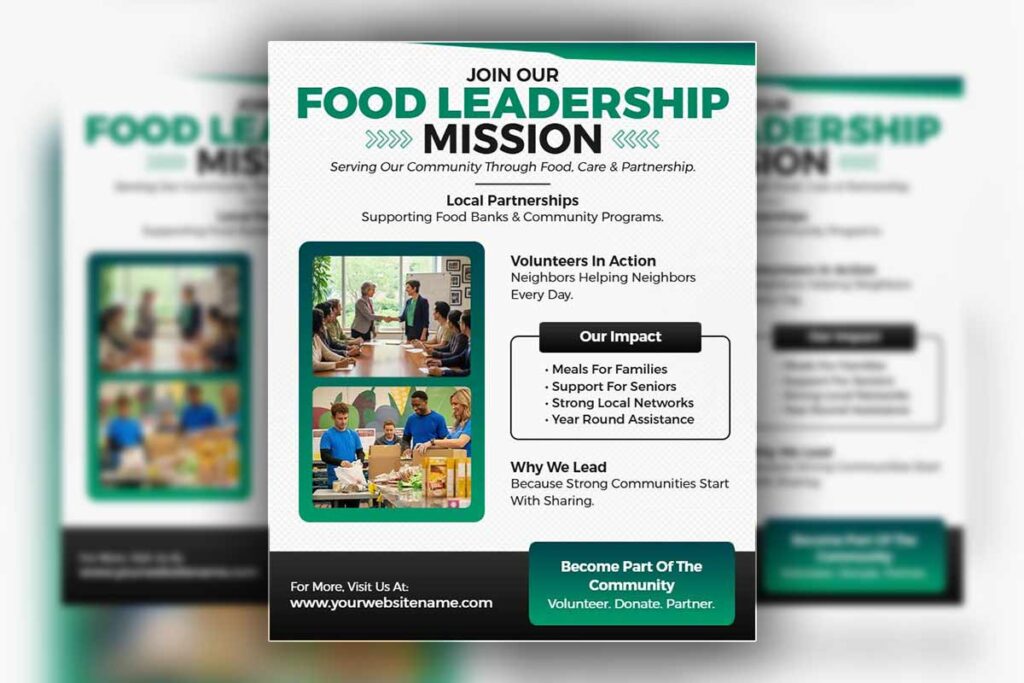
Food bank flyers establish restaurants as trusted community pillars by showcasing genuine local investment. Unlike generic advertising, these marketing materials demonstrate authentic commitment to addressing food insecurity in neighborhoods. When restaurants consistently organize food collection campaigns, they create emotional connections with customers who share similar values.
Trust develops through visible community action rather than promotional promises. Customers observe the restaurant’s ongoing dedication to neighbor welfare, creating loyalty that extends beyond menu preferences. This trust transforms customers into advocates who recommend the establishment based on shared values and community impact.
Restaurant owners who personally participate in food drives featured on their flyers build authentic relationships with patrons. These face-to-face interactions during community events create memorable experiences that chain competitors cannot replicate through corporate initiatives.
Creating Emotional Brand Connections Beyond Menu Items and Pricing
Community food flyers transform dining decisions from purely transactional to emotionally meaningful choices. Customers develop deeper connections when they associate restaurant visits with supporting local families in need. This emotional bond creates preference that transcends competitive pricing or menu variety.
Restaurants using food donation flyers create shared experiences where customers become co-participants in community welfare. These collaborative relationships foster loyalty because patrons feel personally invested in the restaurant’s mission beyond food service.
The psychological impact of contributing to local causes through restaurant partnerships creates positive brand associations. Customers remember establishments that facilitated their charitable giving, generating repeat visits driven by emotional satisfaction rather than convenience alone.
Emotional connections established through community involvement resist competitive pressures because they address values-based decision making rather than purely economic considerations.
- Community Canned Food Drive Event Flyer Template
- Thanksgiving Charity Food Drive Flyer Template
- Cat Food Donation Event Flyer Template
Differentiating Local Restaurants from Chain Competitors Through Community Involvement
Independent restaurants can leverage community engagement as a unique differentiator that chains cannot replicate. Food drive flyers provide a tangible platform to showcase local investment, personal relationships, and neighborhood impact, reinforcing authenticity and loyalty.
- Personalized Community Engagement – Highlight partnerships with local food banks, school programs, and neighborhood organizations. Include staff volunteer stories and owner involvement to convey hands-on commitment that large chains cannot match.
- Hyperlocal Relevance – Use imagery of familiar community landmarks, local families, and events to make promotional materials immediately relatable. Flyers that reflect the local environment create emotional connections and reinforce the restaurant’s embedded presence in the neighborhood.
- Consistent Grassroots Presence – Promote ongoing food drives and charitable initiatives, showing continuous contribution rather than one-off campaigns. Regular community involvement establishes the restaurant as an integral part of local life, building long-term loyalty and competitive positioning against corporate chains.
Strategically leveraging community-focused messaging in food drive flyers allows local restaurants to differentiate themselves, strengthen neighborhood ties, and build sustainable competitive advantages that chains cannot easily replicate.
What Messaging Approaches in Food Drive Flyers Resonate Most With Local Communities?
Effective food drive flyers use authentic, locally-focused messaging that emphasizes shared community values and collective impact. Messages highlighting specific neighborhood needs, such as “Help Our Lincoln Elementary Families” or “Supporting Downtown Workers,” create stronger emotional connections than generic appeals. Community-oriented language such as “neighbors helping neighbors” and “together we can make a difference” resonates deeply with local audiences.
Successful food bank flyers incorporate familiar local landmarks, school names, or community events to establish immediate relevance. Personal stories from local families or testimonials from community leaders add credibility and urgency, while clear calls-to-action that specify donation locations and times make participation effortless for busy community members.
Hyperlocal Messaging Strategies That Connect With Neighborhood Identity
Community food flyers achieve higher engagement when they reflect the unique identity of the neighborhood. Using local references and culturally relevant cues fosters recognition, trust, and emotional connection with potential donors.
- Geographic and Cultural References – Include nearby schools, streets, businesses, or landmarks to create immediate relevance. Phrases such as “Support Our Main Street Neighbors” or “Help Families in the Riverside District” signal that the campaign is rooted in the community.
- Community Engagement Indicators – Reference local events, high school sports, or festivals to demonstrate authentic involvement. Mentioning participation in neighborhood initiatives builds credibility and strengthens emotional ties.
- Visual Local Identity – Use images of familiar architecture, community spaces, or the restaurant’s own location. Statements such as “Serving Oak Valley Since 2015” reinforce presence and reliability while distinguishing independent businesses from larger chains.
Hyperlocal messaging establishes a sense of belonging, trust, and community connection, making food donation campaigns more compelling and effective for local audiences.
Storytelling Techniques That Humanize Food Insecurity in Your Community
Compelling hunger relief campaign flyers feature real stories that make abstract food insecurity tangible and relatable. Rather than using statistics, effective food pantry outreach materials share specific scenarios: “Sarah, a single mom working two jobs, struggles to feed her three children healthy meals.” These narratives create emotional connections that motivate community action.
Local restaurant food security awareness flyers should highlight how community support directly impacts familiar situations. Stories about elderly neighbors choosing between medication and groceries, or working families facing unexpected job loss, resonate because readers recognize similar circumstances in their own lives.
Effective storytelling includes specific details that build credibility without exploiting privacy. Details use principles for engaging nonprofit visuals.3 Messages such as “Last month, we helped 45 local families put food on the table” provide concrete impact while maintaining dignity. Restaurant owners can share how their food drive supported specific local institutions such as “providing weekend backpacks for 30 Roosevelt Elementary students.”
Visual storytelling through photography should show diverse community members volunteering or benefiting from assistance, creating inclusive representation that encourages broad participation across demographic groups.
- Senior Community Food Bank Support Flyer Template
- Community Food Drive Donation Flyer Template
- Southwest Texas Food Bank Donation Flyer Template
Action-Oriented Language That Motivates Immediate Community Participation
Effective food donation flyers drive participation by using urgent, specific, and actionable messaging. Clear instructions, community-focused phrasing, and time-sensitive calls-to-action convert awareness into immediate engagement.
- Specific and Urgent Calls-to-Action – Replace passive phrases such as “donations accepted” with precise instructions: “Drop off canned goods at Mario’s Pizza, 123 Main Street, weekdays 9–5.” Time-sensitive cues such as “This week only” motivate prompt responses.
- Action-Oriented Phrasing – Use verbs that create momentum and collective effort: “Join us,” “Help fill our community pantry,” or “Make a difference today.” These appeal to community spirit and transform intention into participation.
- Step-by-Step Participation Guidance – Break engagement into simple steps: “1) Donate non-perishable items 2) Share this flyer 3) Volunteer one hour.” Include clear donation guidelines, preferred items, and multiple contact options to remove barriers and ensure successful contributions.
By combining precise instructions, emotional connection, and clear action steps, community food drive flyers, consequently, generate tangible support and meaningful participation. In addition, this approach not only engages the audience but also reinforces their sense of contribution to the cause.
How Can Restaurants Use Food Drive Flyers to Differentiate From Corporate Competitors?
Local restaurants can leverage food drive flyers to showcase authentic community engagement that corporate chains cannot replicate. By featuring locally-sourced ingredients, neighborhood partnerships, and owner stories on food donation flyers, restaurants create emotional connections with residents.
These community food flyers highlight personal relationships with local food banks, showcase staff volunteering, and demonstrate genuine investment in neighborhood welfare. Unlike corporate competitors with standardized messaging, local eateries can customize food fundraising flyers with specific community references, local landmarks, and personalized messaging that resonates with neighbors who value supporting businesses that truly care about their area.
Showcase Local Sourcing Partnerships in Food Bank Flyers
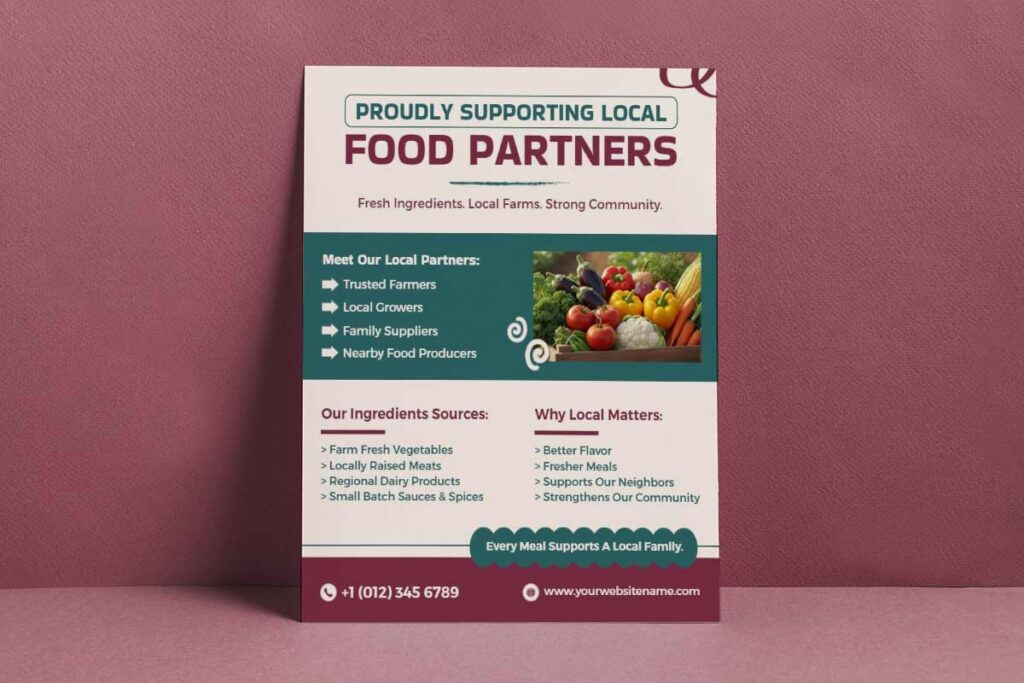
Highlighting local sourcing partnerships on food drive flyers, as a matter of fact, strengthens community credibility and storytelling for independent restaurants. Moreover, emphasizing connections with nearby farms, bakeries, and distributors not only differentiates your campaign from corporate competitors but also fosters trust among donors.
- Authentic Supplier Stories – Feature the local tomato farmer, bakery, or distributor contributing to your restaurant’s menu and food donations. Sharing these narratives personalizes your campaign and connects your audience to tangible community members behind the food.
- Visual and Testimonial Elements – Include photos of partners, supplier quotes, and seasonal sourcing highlights. These visuals reinforce authenticity, showing that your restaurant’s donation efforts are rooted in real, local relationships rather than generic corporate campaigns.
- Community-Centric Messaging – Frame the food drive as a celebration of local economic networks that benefit both your restaurant and families in need. Emphasize collaboration, highlighting how contributions support familiar, trusted community partners.
Showcasing local sourcing partnerships, as a result, transforms food bank flyers into compelling, trust-building storytelling tools that not only resonate with donors but also reinforce your restaurant’s commitment to the community. Moreover, by highlighting these connections, you emphasize the tangible impact of your local engagement.
Feature Owner Stories and Staff Community Involvement
Personal narratives create powerful differentiation when corporate chains offer only faceless brand messaging. Food drive flyers provide perfect platforms for sharing owner backgrounds, family histories in the neighborhood, and personal motivations for community service. Restaurant owners can share stories about growing up in the community, raising families locally, or overcoming challenges with neighborhood support.
Staff involvement stories add authenticity that corporate training manuals cannot replicate. Highlight team members who volunteer at local schools, coach youth sports, or organize community events. These food fundraising flyers can feature employee spotlights showing genuine community connections beyond work hours. Corporate competitors struggle to match this personal touch since their staff often transfers between locations and lacks deep neighborhood ties. Your flyers can showcase the same friendly faces customers see daily, now working together for community causes, reinforcing the personal service advantage that draws customers away from impersonal chain experiences.
- Warm Orange Community Food Drive Charity Event Flyer Template
- Annual Kids Food Drive Event Flyer Template
- Playful Green Food Drive Fundraising Event Flyer Template
Highlight Neighborhood-Specific Charitable Partnerships
Local restaurants can strengthen community connections by strategically showcasing hyperlocal charitable collaborations. Moreover, neighborhood-specific partnerships create emotional resonance that, in turn, large corporate competitors often cannot replicate, thus reinforcing the restaurant’s unique local value and trustworthiness.
- Authentic Community Engagement – Partner with local schools, food banks, senior centers, and faith organizations. Featuring Lincoln Elementary’s backpack program or St. Mary’s senior meal service demonstrates tangible, meaningful involvement that resonates with nearby residents.
- Corporate Contrast and Relevance – Highlighting neighborhood-specific initiatives differentiates your restaurant from generic corporate programs. Naming local partners and programs creates immediate relevance and positions your brand as an active, caring community member.
- Measurable Local Impact – Include statistics and visual proof: “2,400 meals provided to Riverside Elementary families this year,” photos from distribution events, thank-you letters, and family testimonials. Concrete, local results build trust, loyalty, and emotional connection that influence customer behavior beyond menu offerings.
By using neighborhood-focused charitable messaging, your restaurant is positioned as a vital community institution, thereby fostering loyalty that extends beyond traditional marketing appeals. In addition, local engagement strengthens brand credibility and deepens emotional connections with patrons.
What Timing Strategies Maximize Food Drive Flyer Effectiveness for Local Eateries?
Strategic timing amplifies food drive flyer impact by aligning with community rhythms and seasonal giving patterns. Local restaurants should distribute food collection flyers 2-3 weeks before major holidays when charitable giving peaks, coordinate with back-to-school seasons when families seek community involvement opportunities, and sync with local festival schedules.
Launching community food flyers during economic downturns or local crises demonstrates timely compassion. Weekly timing matters too—Tuesday through Thursday distribution captures attention before weekend planning. Food fundraising flyers perform best when timed with paydays, avoiding month-end budget constraints while maximizing disposable income availability for charitable participation and dining decisions.
Align Food Donation Drives with Holiday Giving Seasons
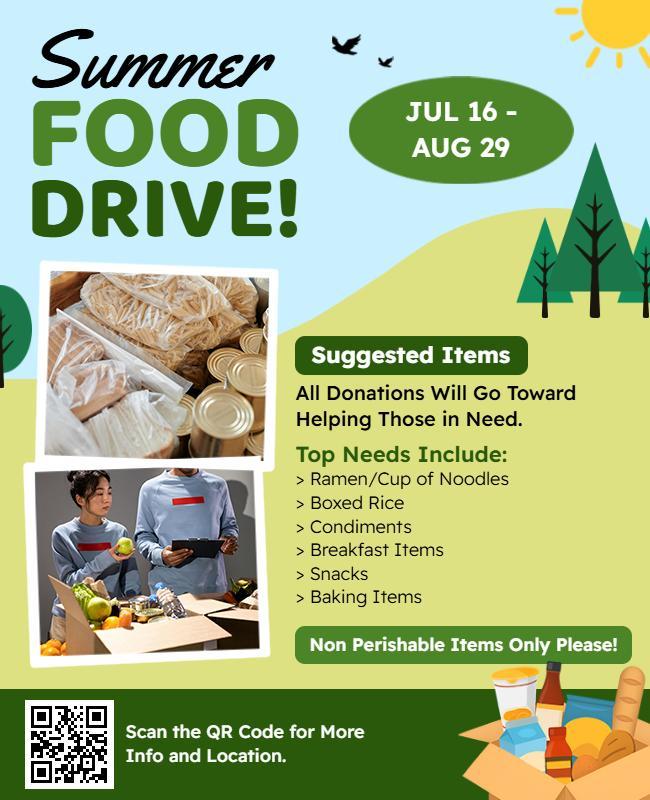
Timing food drive campaigns around peak charitable periods maximizes community engagement and donation participation. Holiday-focused flyer distribution aligns with seasonal generosity and community awareness, increasing overall impact.
- Peak Holiday Windows – Thanksgiving drives generate the highest engagement, with distribution beginning mid-October to capture attention before competing campaigns. Christmas and New Year campaigns extend giving into January, while Easter and Passover create spring peaks among faith-based communities.
- Seasonal Opportunities Beyond Holidays – Back-to-school periods (August–September) provide opportunities to engage families seeking meaningful activities. Summer vacations appeal to parents with more availability for volunteer-driven donation efforts.
- Strategic Timing for Flyer Distribution – Begin outreach 3–4 weeks before target donation periods to establish awareness early while maintaining urgency. Early positioning prevents competition saturation, and timing close enough to holidays ensures donations remain top-of-mind.
Careful alignment with seasonal giving behaviors ensures food drive flyers reach motivated donors, increasing contributions and community participation.
Coordinate Distribution with Local Festival and Event Calendars
Local festivals and community events create concentrated audiences already engaged in neighborhood activities, multiplying food drive flyer effectiveness through natural gathering points. Farmers markets, street fairs, and outdoor concerts provide weekly distribution opportunities where residents expect promotional materials and community information.
School events including sports games, performances, and parent meetings offer targeted distribution to family-oriented demographics most likely to participate in charitable activities. Church gatherings, community center events, and library programs connect with civic-minded residents seeking meaningful community involvement.
*By coordinating with event organizers for program inclusion, restaurants transform passive flyer distribution into active promotion. Furthermore, attending Chamber of Commerce and business association events reaches influential community members, thereby amplifying charitable efforts and reinforcing credibility.
Event timing requires 2-3 week advance notice for complex coordination while maintaining flexibility for last-minute event announcements.
- Autumn Community Food Drive Flyer Template
- Canned Food Drive and Giveaway Event Flyer Template
- Thanksgiving Food Drive Donation Flyer Template
Optimize Weekly Distribution Patterns for Maximum Community Reach
Effective flyer distribution depends on timing, audience routines, and local context to maximize visibility and participation. Strategic scheduling ensures community members see and engage with messaging without competing distractions.
- Mid-Week Targeting – Distribute flyers Tuesday through Thursday to reach residents when they are most receptive. Avoid Monday rush and Friday evening distractions, allowing audiences time to plan for weekend participation.
- Timing with Household Budgets – Align distributions with pay cycles (e.g., 1st and 15th of the month) when disposable income is higher. Month-end distributions typically yield lower engagement due to financial constraints.
- Daily Timing and Context Awareness – Morning distributions (9–11 AM) reach stay-at-home parents and retirees, while evening distributions (5–7 PM) capture working families preparing for the weekend. Avoid major local events or news cycles that could overshadow charitable messaging.
Combining mid-week timing, payroll alignment, and multiple touchpoints increases flyer visibility and community engagement, enhancing overall campaign effectiveness.
People Also Ask:
- Do food drive flyers work better than social media for restaurants?
Food drive flyers create tangible community touchpoints that social media cannot replicate. Physical flyers build trust through face-to-face interactions and reach demographics less active online, making them essential for comprehensive local restaurant marketing strategies. - What information must be included on restaurant food drive flyers?
Include restaurant contact information, donation guidelines, collection dates/times, beneficiary organizations, and clear call-to-action. Add your business logo, permit numbers if required, and specific items needed to ensure legal compliance and maximum participation. - How can small restaurants compete with chains using food drive flyers?
Emphasize local ownership, personal stories, and genuine community investment that chains cannot match. Use food drive flyers to showcase your restaurant’s neighborhood roots and authentic relationships, creating competitive advantages through grassroots community building. - Where should restaurants distribute food drive flyers for best results?
Target community centers, schools, places of worship, and local businesses where your target customers gather. Focus on residential areas within your delivery radius and partner with complementary local businesses for cross-promotional flyer distribution opportunities. - What design mistakes should restaurants avoid on food drive flyers?
Avoid cluttered layouts, unclear donation guidelines, missing contact information, and generic messaging. Don’t overshadow the charitable cause with heavy restaurant promotion or use poor-quality images that reflect negatively on your establishment’s brand standards. - How do restaurants measure food drive flyer campaign success?
Track donation quantities, new customer acquisitions, social media engagement, and community feedback. Monitor foot traffic increases, catering inquiries, and repeat customer rates following campaigns to assess relationship-building effectiveness and ROI.
Frequently Asked Questions:
- How often should local restaurants distribute food drive flyers for maximum impact?
Local restaurants should distribute food drive flyers quarterly to maintain community visibility without overwhelming residents. This frequency allows time to build relationships from each drive while keeping your establishment top-of-mind. Seasonal timing around holidays such as Thanksgiving or back-to-school periods typically generates higher participation rates and stronger community connections. - What partnership opportunities can restaurants explore through food drive flyers?
Food drive flyers open collaboration opportunities with local schools, churches, and community centers. Partner restaurants can co-sponsor drives, share distribution costs, and cross-promote services. These partnerships help small establishments pool resources against larger chains while building authentic neighborhood relationships that drive long-term customer loyalty. - How can restaurants track customer acquisition from food drive flyer campaigns?
Include unique promotion codes or QR codes on food drive flyers linking to special offers. Track redemption rates and new customer sign-ups through your POS system. Survey participants about how they heard about your restaurant and monitor foot traffic increases during and after campaigns to measure community relationship building effectiveness. - What budget should local restaurants allocate for effective food drive flyer campaigns?
Allocate 2-3% of monthly marketing budget for food drive flyers, typically $200-500 for small restaurants. This covers design, printing, distribution, and small volunteer incentives. The investment pays dividends through increased community goodwill, customer retention, and differentiation from chain competitors who rarely engage in grassroots community building. - How can restaurants ensure their food drive flyers stand out from other local businesses?
Use your restaurant’s brand colors and include appetizing food imagery alongside donation messaging. Highlight your local ownership story and community commitment. Offer unique incentives such as recipe cards or cooking tips with donations. Personal touches such as chef signatures or family stories create emotional connections that chain restaurants cannot replicate. - What legal considerations should restaurants address when creating food drive flyers?
Ensure food drive flyers comply with local solicitation permits and clearly identify your business as the organizer. Include liability disclaimers and specify donation guidelines. Partner with established nonprofits to add credibility and handle legal compliance. Display proper business licensing information and maintain transparency about how donations will be distributed to beneficiaries. - How can restaurants leverage food drive flyers for year-round community engagement?
Create themed seasonal food drives promoted through targeted flyers – back-to-school supplies with lunch specials, holiday meal preparations, or summer reading programs. Each campaign reinforces your restaurant’s community commitment while providing natural touchpoints to showcase new menu items and maintain regular customer contact beyond typical dining interactions. - What volunteer coordination strategies work best with restaurant food drive flyers?
Use food drive flyers to recruit local volunteers, offering meal vouchers or catering discounts as appreciation. Create volunteer shifts that don’t conflict with peak dining hours. Train staff to manage volunteer coordination and use the opportunity to build relationships with community leaders who can become long-term advocates for your establishment.
Conclusion:
Implementing a flyer-driven customer relationship and retention framework transforms local restaurants from simple dining spots into trusted community pillars. Specifically, by strategically utilizing food drive and donation flyers, establishments can create authentic connections with their neighborhoods, thereby fostering goodwill and trust that chain restaurants cannot replicate. Furthermore, effective flyers employ warm color palettes, genuine community photos, and local partnerships, creating emotional resonance while also maintaining professional design standards. As a result, this approach ensures restaurants convey their commitment to social impact without overwhelming promotional messaging, thus reinforcing credibility and approachability in the eyes of the community.
Integrating charitable outreach into marketing strategies allows restaurants to position themselves as neighborhood champions who understand and address local needs. Flyer-driven campaigns highlight staff involvement, showcase tangible community impact, and generate ongoing brand visibility through memorable touchpoints. Also, by leveraging customized templates that reflect local character, restaurants cultivate loyalty, strengthen community relationships, and achieve sustainable competitive advantages, turning their social engagement efforts into lasting business growth.
Reference:
- 8 fundraising flyer ideas to stand out. Retrived from Donorbox.
- Locally sourced food a great way to increase profits through differentiation. Retrived from Michigan State University.
- Tips and tricks for creating an engaging flyer for extension programs. Retrived from Virginia Tech.
- What nonprofits need to know about measuring social media ROI. Retrived from TechSoup.