



An invoice is a business document issued by a seller to a buyer that details products or services provided and specifies the amount owed. It serves as an official request for payment while creating a record of the transaction for accounting, tax, and financial management purposes.
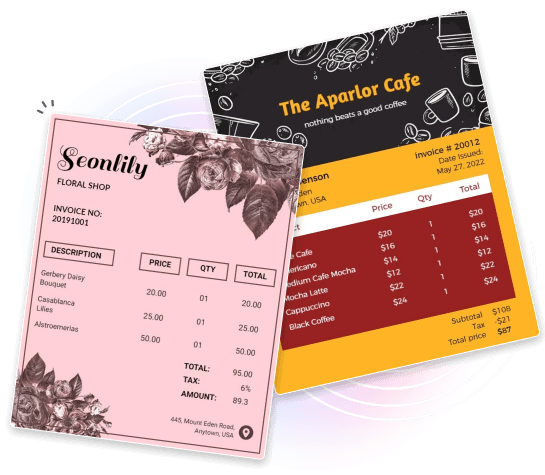
A standard invoice is the most common type and is issued after goods or services have been provided. It includes all relevant transaction details and payment terms.
A pro forma invoice is a preliminary document sent before a transaction is completed. It provides an estimate of costs but is not a demand for payment.
A commercial invoice is used in international trade and customs procedures. It contains information about exported goods, their value, and shipment details.
Recurring invoices are generated automatically for ongoing services or subscription-based agreements at regular intervals.
A credit invoice, often called a credit note, reduces the amount previously invoiced due to returns, refunds, pricing adjustments, or billing corrections.
A debit invoice is issued when additional charges need to be added to a previously issued invoice.
Interim invoices are used to request partial payments throughout the duration of a large project before final completion.
A final invoice is issued when a project or service has been completed and includes all remaining charges due.
Invoices provide significant benefits for both businesses and customers.
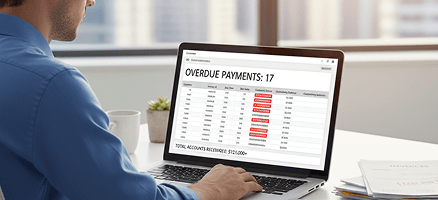
Invoices help businesses monitor payments, identify overdue accounts, and manage receivables efficiently.

They serve as important financial documents that support bookkeeping, auditing, and reporting activities.

Invoices often contain information required for tax calculations and regulatory compliance.

An invoice can provide evidence of an agreed transaction between parties if disputes arise.

Consistent invoicing practices help businesses maintain predictable revenue streams and improve financial planning.

Well-prepared invoices demonstrate professionalism and establish clear expectations between buyers and sellers.
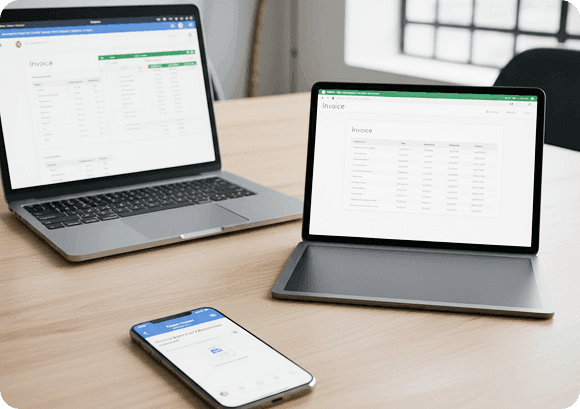
Invoices can be issued in both physical and digital formats.

A unique identifier used for tracking and recordkeeping.
The date the invoice is issued.
Business name, address, contact information, and applicable tax details.
Name and contact information of the buyer.
A detailed breakdown of products sold or services provided.
Information used to calculate charges accurately.
Any applicable taxes, shipping costs, or additional charges.
The final amount payable by the customer.
Payment deadlines, accepted payment methods, and other payment conditions.
Place the word "Invoice" prominently at the top of the document so recipients can immediately identify the purpose of the document. A clear header helps improve professionalism and reduces confusion during payment processing.
Provide complete details for both the seller and the buyer, including names, addresses, contact information, and relevant tax identification numbers when applicable. Accurate information ensures the invoice can be processed and referenced correctly.
Every invoice should have a unique identification number. This makes it easier to track transactions, organize records, and resolve potential disputes or payment inquiries.
Describe each product or service provided, along with quantities, rates, and applicable charges. Clear itemization helps customers understand exactly what they are paying for and minimizes billing misunderstandings.
Show subtotals, taxes, discounts, shipping fees, and any additional charges separately. Transparent calculations help customers verify the invoice and improve trust in the billing process.
Make the final payable amount easy to locate by placing it prominently near the bottom of the invoice. This allows customers to quickly identify the amount owed without searching through multiple line items.
Include the payment due date, accepted payment methods, and any late-payment policies. Clear payment instructions can help reduce delays and improve cash flow management.
Before sending the invoice, verify all information for accuracy and ensure the design is clean and easy to read. Consistent formatting, proper spacing, and organized sections contribute to a professional appearance.
| Invoice | Receipt |
|---|---|
| Issued before payment | Issued after payment |
| Requests payment | Confirms payment |
| Creates an amount due | Confirms a completed transaction |
| Used for accounts receivable | Used as proof of payment |

Invoices are used in a variety of industries and business scenarios.

Freelancers use invoices to bill clients for completed work such as writing, graphic design, web development, consulting, or marketing services. A freelancer's invoice typically includes project details, hours worked or agreed project fees, payment terms, and due dates. Proper invoicing helps independent professionals maintain organized financial records and receive timely payments.

Consultants issue invoices for professional services provided to businesses or individual clients. These invoices often include detailed descriptions of advisory services, project milestones, research work, or strategic recommendations delivered during a consulting engagement. Well-structured invoices help establish transparency and clearly communicate the value of the services provided.

Retail businesses commonly use invoices for wholesale transactions and business-to-business sales. An invoice may include product descriptions, quantities, unit prices, taxes, shipping charges, and payment terms. These documents help retailers track inventory-related sales while providing buyers with a detailed record of purchased goods.

Construction Companies often issue invoices throughout the duration of a project rather than waiting until completion. These invoices may be based on project milestones, labor costs, materials used, or percentage-of-completion agreements. Detailed invoicing helps contractors maintain steady cash flow while providing clients with visibility into project expenses.

Subscription-based businesses generate invoices on a recurring basis for services such as software subscriptions, membership programs, cloud services, or maintenance contracts. Recurring invoices typically contain billing periods, subscription plans, renewal dates, and payment information. Automated invoicing systems help these businesses reduce administrative work and ensure consistent revenue collection.

Marketing agencies, creative agencies, and digital service providers use invoices to bill clients for ongoing campaigns, project work, or monthly retainers. Agency invoices often break down services such as advertising management, content creation, design work, and consulting activities. Clear invoicing helps clients understand service costs while supporting long-term business relationships.

E-commerce businesses generate invoices for online product sales and bulk customer orders. These invoices typically include product details, shipping information, taxes, discounts, and payment confirmation references. They serve as important records for accounting, customer support, and order management processes.

Law firms, accounting firms, engineering companies, and other professional service providers rely on invoices to bill clients for specialized expertise. Their invoices often include billable hours, service descriptions, consultation fees, and project-related expenses. Detailed documentation helps justify charges and supports accurate financial reporting.