Banners are one of the oldest marketing tools around, and they still work. Whether it’s a vinyl sign outside your store or a header image on your website, banners put your message in front of people at the right place and time.
The problem most businesses run into is using the wrong banner for the job. A fabric display that gets soaked at an outdoor event. A social media cover photo that looks blurry on mobile. A trade show banner that nobody can read past the first row.
This guide covers the 10 types of banners every business should know about, when to use each one, and how to make them work.
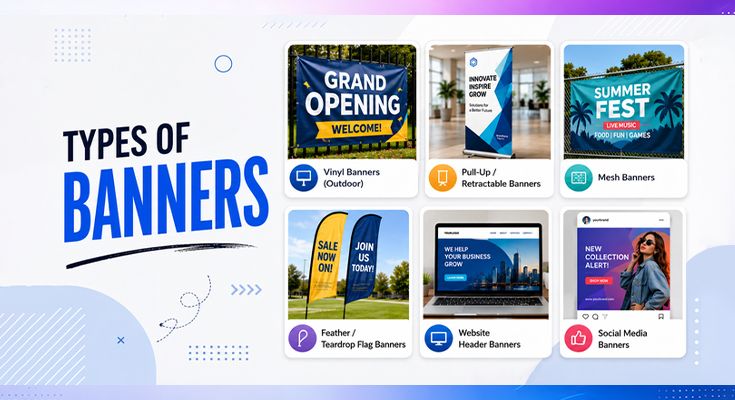
1. Vinyl Banners (Outdoor)
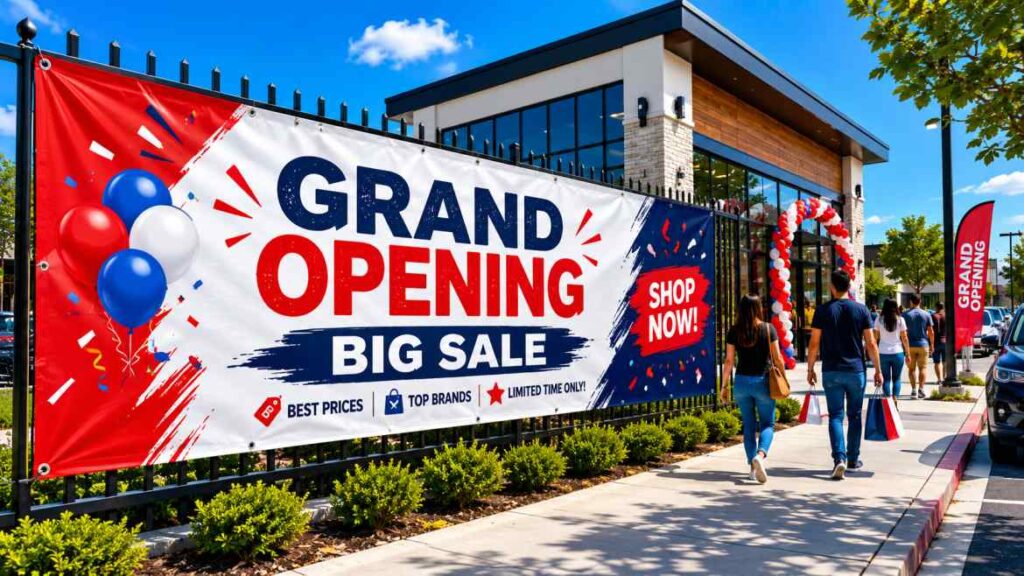
Vinyl banners are the classic. Printed on heavy PVC material, they’re built to handle sun, rain, and wind without fading or tearing. If you’ve ever driven past a “Grand Opening” or “Big Sale” sign strapped to a storefront fence, that was almost certainly a vinyl banner.
They’re popular for a simple reason: they’re cheap to produce and impossible to ignore.
Best For
Storefront promos, grand openings, seasonal sales, outdoor markets, roadside advertising
Typical Sizes
2×4 ft for smaller placements; up to 4×8 ft for high-visibility roadside spots
Design Tips
Use large, bold text. A good rule of thumb: 3 inches of text height per 10 feet of viewing distance.
Stick to 2–3 colors. More than that, and it looks cluttered.
Add grommets to the corners so it can be hung securely and doesn’t flap or tear.
💲$30–$150 depending on size, one of the lowest cost-per-impression options in marketing.
2. Pull-Up / Retractable Banners
Pull-up banners (also called roll-up or retractable banners) are the standard for businesses that attend events. The graphic rolls into a compact aluminum base, and the whole thing sets up in under a minute. No tools, no mess.
If your business does trade shows, markets, or conferences even twice a year, a pull-up banner pays for itself fast.
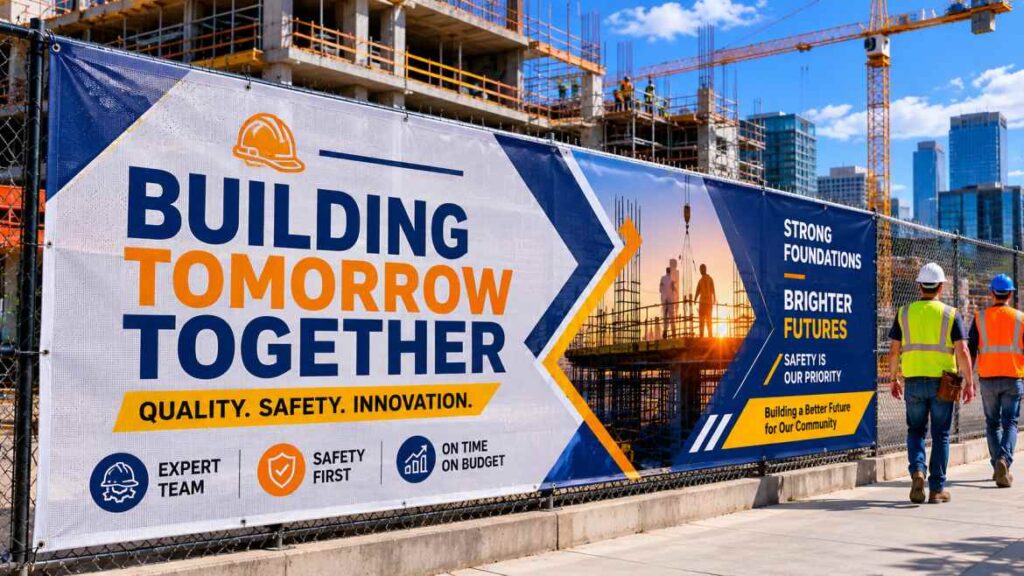
Mesh banners look similar to vinyl but have thousands of tiny holes that let air pass through. This sounds like a small detail, until your banner is hanging on a fence in a 30 mph wind and stays put instead of tearing loose.
Any large banner on an exposed outdoor structure needs to be mesh. Solid vinyl in those conditions acts like a sail.
Best For
Construction fencing, stadium perimeters, outdoor festivals, building wraps, scaffolding
Design Tips
The holes reduce image clarity slightly, go bigger with your text and avoid fine details.
High-contrast designs (light text on dark background) hold up best.
💲$50–$200 depending on size.
4. Fabric Banners
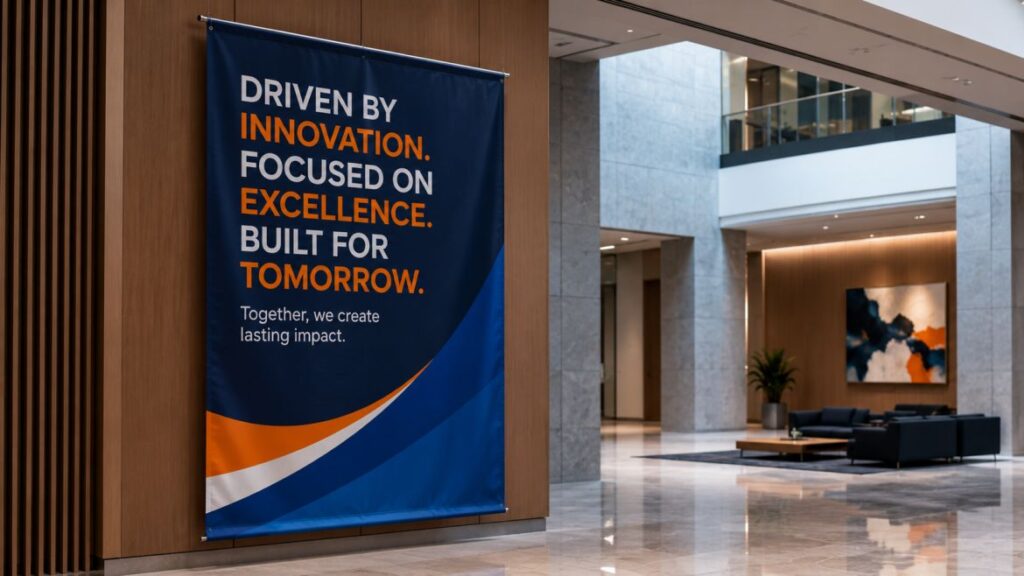
Fabric banners are printed on polyester or canvas and carry a premium look that vinyl can’t match. Because the material absorbs light instead of reflecting it, they look sharp and professional under bright indoor lighting, zero glare.
If your banner is going somewhere cameras will capture it, or somewhere that signals the quality of your brand, fabric is worth the extra cost.
Hanging fabric panels · SEG (Silicone Edge Graphic) stretched into a frame
Format Details
Hanging fabric panels – lightweight, wrinkle-resistant; often used in retail windows or ceiling displays.
SEG fabric – stretched into an aluminum frame for a tight, seamless look. Common in high-end retail and hotel lobbies.
💲$100–$500+, depending on size and frame system.
5. Feather / Teardrop Flag Banners
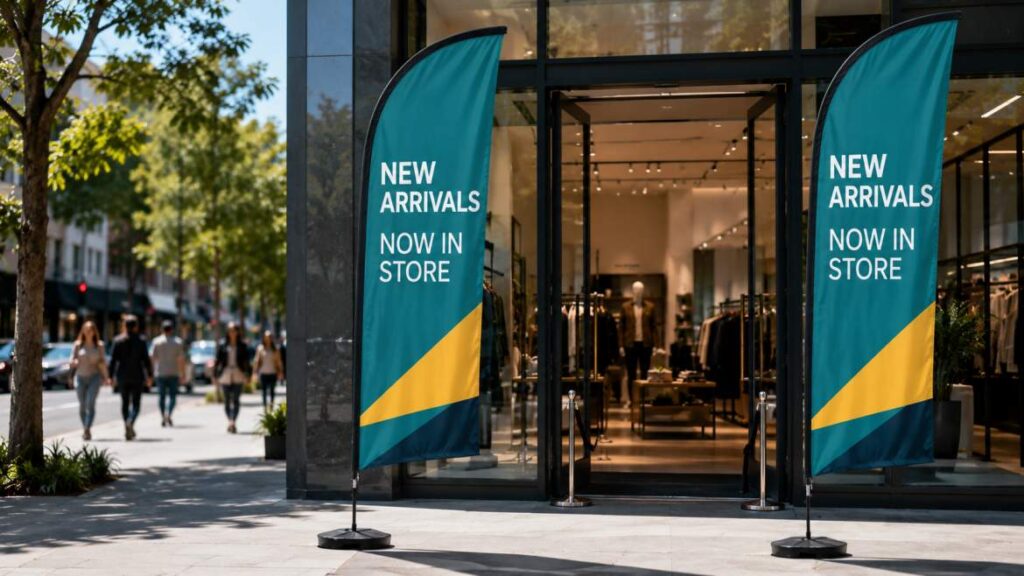
Feather and teardrop flags are tall, narrow banners on a flexible pole. Their curved shape keeps them taut and visible even in light wind, making them excellent at catching the eye of moving vehicles or foot traffic passing by.
Two flags flanking your entrance are among the simplest and most cost-effective ways to boost street-level visibility for a physical location.
Best For
Car dealerships, restaurants, open houses, storefronts, farmers’ markets, outdoor events
Sizes
8 ft (stake version) up to 15 ft tall
Key Features
Sets up in under 2 minutes by one person.
Available in double-sided printing, both traffic directions see your message.
Multiple base options: ground spike for grass, cross base for pavement, water-filled base for indoor use.
💲$60–$200 per unit.
Explore More
Find the Perfect Banner Template
Browse professionally designed banner templates for every occasion and business need.
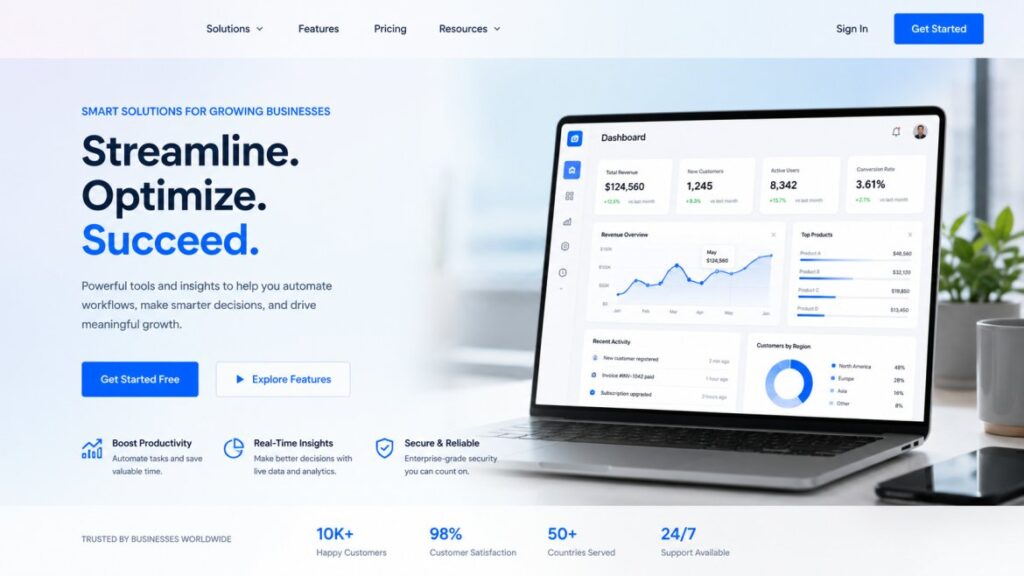
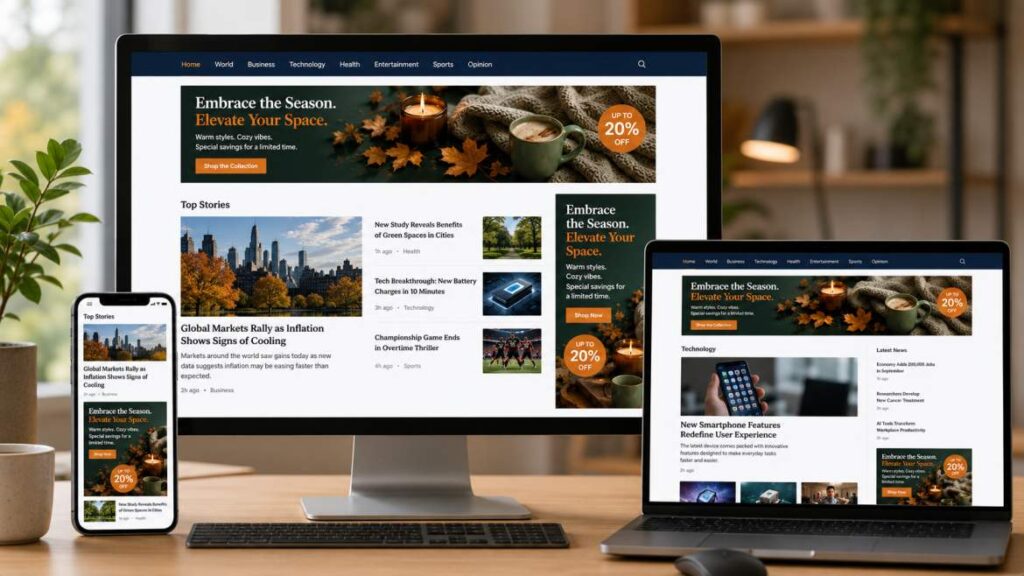
Your website header (or hero banner) is the first thing every visitor sees. It sets the tone for your entire brand and tells people in under 3 seconds whether they’re in the right place.
Most businesses treat this as a static image that never changes. Big mistake. A header that reflects your current offer or season signals to visitors, and to Google, that your site is active.
Best For
Homepage branding, product launches, seasonal promotions, sale announcements, sign-up campaigns
Standard Sizes
Desktop: 1920×600 px · Mobile: 768×400 px always design a separate mobile version
What to Include
A headline that states what you do or what the offer is, not just your company name.
One clear CTA button in a contrasting color.
A visual showing the product or outcome, not abstract shapes or stock imagery of handshakes.
🔄Update every season or major promotion, at a minimum.
7. Social Media Banners
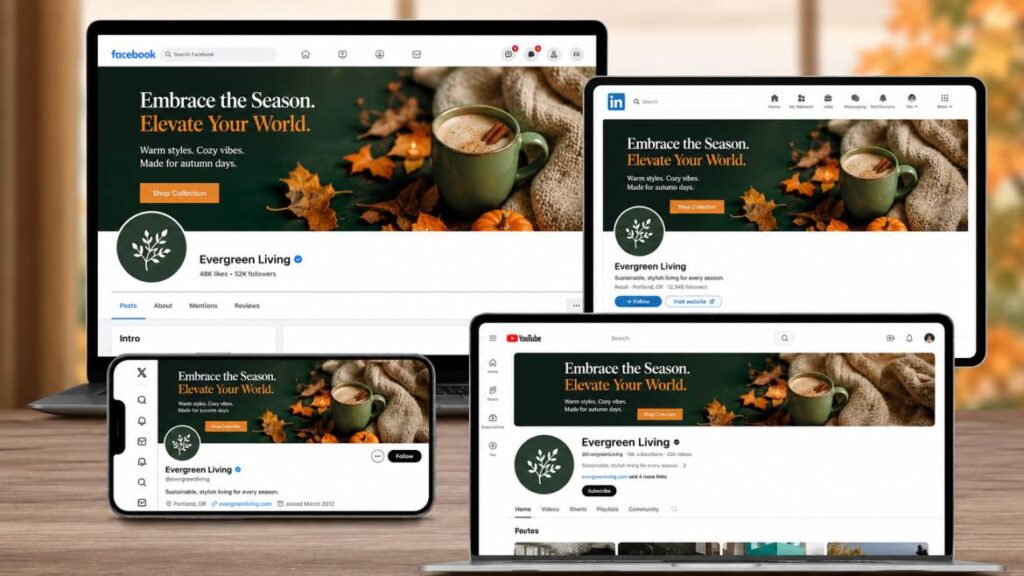
Every major social platform gives you a cover photo or banner space at the top of your profile. Most businesses set this once and forget it. That’s a missed branding opportunity every time someone visits your page.
Platform
Banner Size
Facebook Page
820×312 px
LinkedIn Company Page
1128×191 px
Twitter / X
1500×500 px
YouTube Channel Art
2560×1440 px (safe zone: 1546×423 px)
What to Put on Your Social Banners
Your current promotion or seasonal message.
A tagline that sets you apart from competitors.
Your website URL or a simple CTA.
Pro Tip
Design all your social banners as a matching set. When someone finds you on LinkedIn and then checks Facebook, consistent visuals build trust instantly.
🔄Update every 1–3 months, or whenever you’re running a campaign.
8. Email Banners
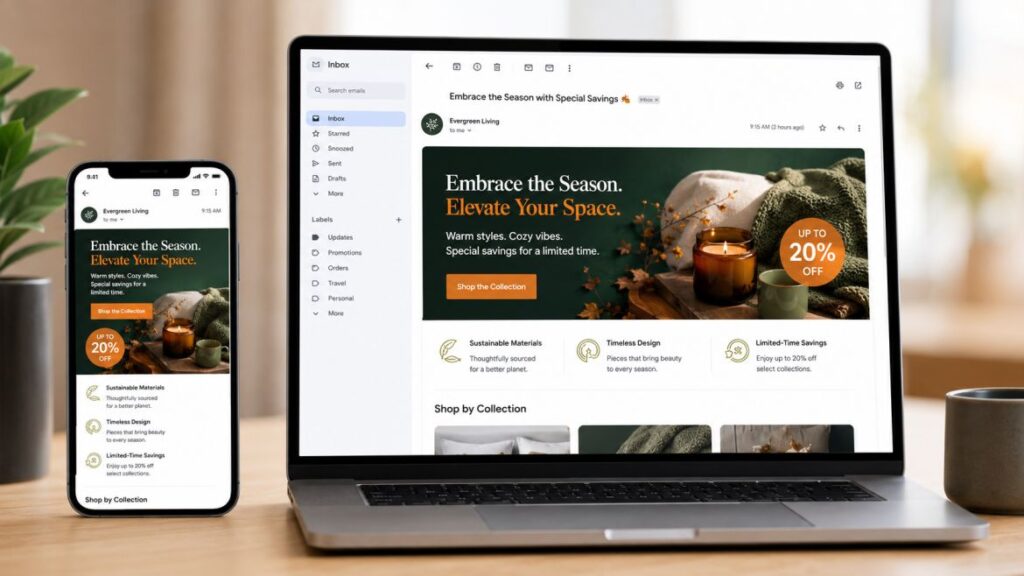
An email banner is the header image at the top of your marketing emails. It’s the first visual your subscribers see when they open your message, and it sets the tone for everything that follows.
A plain-text email header looks like a cold pitch. A clean, branded email banner looks like a professional company that’s worth paying attention to.
Standard Size
600px wide × 150–200px tall, renders cleanly on most email clients and mobile screens
What to Include
Your logo for instant brand recognition.
A headline or seasonal message tied to the campaign.
Optional: a simple product visual or promotional graphic.
Technical Notes
Keep the file under 200 KB so it loads fast on every device.
Add alt text in case images are blocked by the email client.
Don’t put critical information only in the image, some clients don’t load images by default.
🔄Update every campaign, or at a minimum each quarter.
9. Display / Ad Banners
Display banners are paid digital ads that appear across websites in Google’s Display Network, social platforms, and ad exchanges, the rectangular ads you see in website sidebars, between article paragraphs, and at the top or bottom of pages.
Static banners are a single image with a headline and CTA, simple, fast to load, great for awareness. Animated / GIF banners cycle through 2–5 frames; keep loops under 15 seconds for higher engagement. Retargeting banners are shown to people who visited your site but didn’t convert, these typically get 3–5× higher click-through rates than standard display ads.
Format
Size
Best Placement
Medium Rectangle
300×250 px
Sidebar, in-content
Leaderboard
728×90 px
Top / bottom of page
Half Page
300×600 px
Premium sidebar
Mobile Banner
320×50 px
Mobile web
Key Tip
Always create at least the 300×250 px and 728×90 px versions, those two sizes cover the majority of available ad inventory.
💲Display CPMs typically run $0.50–$3.00, affordable for brand awareness even on small budgets.
Explore More
Find the Perfect Banner Template
Browse professionally designed banner templates for every occasion and business need.
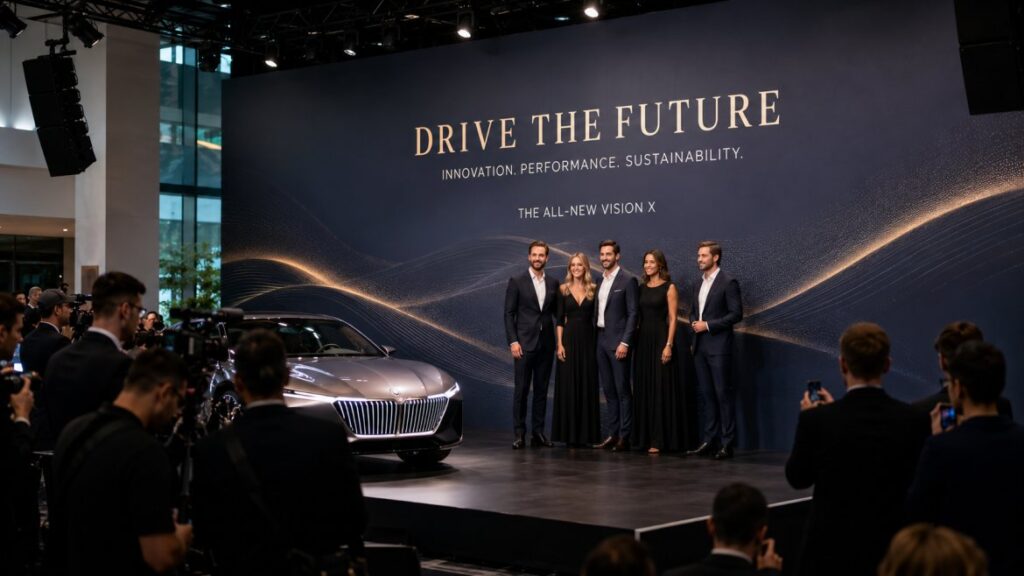
Event backdrops (also called step-and-repeat banners) are the large branded backgrounds used at product launches, press events, award shows, and corporate functions. The logo or branding element repeats in a grid across the entire surface.
Here’s why they matter beyond looking professional: every photo taken in front of your backdrop becomes organic branded content. At a 50-person event where each guest posts one photo online, you’ve just generated hundreds of brand impressions at zero additional cost.
Standard Sizes
8×8 ft for most corporate/small events; 8×10 ft or 10×10 ft for trade shows
Material Choice
Fabric for photographed events (no glare, rich color) · Vinyl for outdoor or budget situations
💲$150–$500 depending on size and material.
How to Choose the Right Banner Type
Match the banner to the environment first, then the goal. Use this table as your quick reference:
Your Situation
Best Banner Type
Outdoor storefront or roadside signage
Vinyl Banner
Trade show or conference booth
Pull-Up Retractable
Windy outdoor or fenced location
Mesh Banner
Premium indoor display or photo backdrop
Fabric Banner
Curbside foot traffic or vehicle visibility
Feather / Teardrop Flag
Website first impression and homepage branding
Website Header Banner
Social media profile branding
Social Media Cover Banner
Email marketing campaigns
Email Header Banner
Paid digital advertising
Display / Ad Banners
Branded events and product launches
Event Backdrop
Three quick rules that cover most decisions:
🌧️
Outdoor + Weather
Go vinyl or mesh. Durability beats every other consideration when the elements are involved.
🚚
Portable + Reusable
Pull-up or feather flag. They pay for themselves after just 2–3 uses at events or markets.
📐
Digital Banners
Match platform specs exactly. A banner that’s off by 50px looks broken on mobile and crops awkwardly.
FAQs
What is the best banner for a small business with a tight budget?
Start with one vinyl banner for outdoor visibility and one pull-up banner for events. Together, they cover the majority of your physical marketing needs for under $300. For digital, social media cover banners cost nothing if you design them yourself.
How do I make banners look professional without a designer?
Use a banner template from a design tool like DesignWiz. Templates come pre-sized for every banner type, print dimensions, correct resolution, and platform-specific social sizes. You swap in your logo and colors, and you are done in 15–20 minutes.
What banner sizes should I create for Google Display Ads?
Always create three sizes minimum: 300×250 px (medium rectangle), 728×90 px (leaderboard), and 300×600 px (half page). These three cover the bulk of Google Display Network inventory.
Can I use the same design for print and digital?
Not directly. Print needs 300 DPI resolution and CMYK color mode. Digital uses 72–96 DPI and RGB. Always export two separate files. Using a low-res digital design for print results in a blurry, pixelated banner.
How often should I update my banners?
Physical banners: when the promotion ends, or the design looks dated (typically every 1–2 years). Digital banners: social covers every 1–3 months, email banners every campaign, website headers every season or major promotion.
Which banner drives the most foot traffic?
Feather flags and vinyl banners at your entrance. Their visibility from moving vehicles and passing foot traffic generates passive impressions all day, every day, with no ongoing cost.
Conclusion
Banners remain one of the most effective marketing tools for increasing visibility, promoting offers, and strengthening brand recognition. Understanding the different types of banners helps businesses choose the right format for specific goals, whether it’s attracting foot traffic, promoting an event, or improving online engagement.
By matching each banner type to its intended environment and maintaining a clear, consistent design, businesses can maximize their marketing impact. A combination of physical and digital banners creates more opportunities to reach potential customers, build brand awareness, and support long-term business growth.
I’m a Graphic Designer with 7+ years of experience in graphic design, social media design, template design, and visual communication. I specialize in creating high-quality designs, improving design workflows, and leading creative teams.