freshchat icon chat icon loading icon
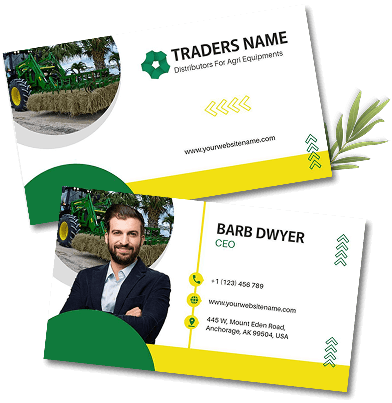
agri-equipment-traders-business-card

What is a Business Card?

A business card is a small but powerful marketing tool that shares your essential contact details and brand identity. It helps you introduce your business professionally, make a memorable first impression, and stay connected with potential clients.

Create Your Own Business Card
financial-marketing-business-card-exchange

Purpose of a Business Card

  • Networking: Business cards are the quickest way to share your contact details and make a lasting impression when you meet someone new.
  • Branding: They give people an instant feel for who you are and what your business stands for — through your logo, colors, and design.
  • Credibility: Handing someone a well-designed business card shows professionalism and makes your business look trustworthy and established.
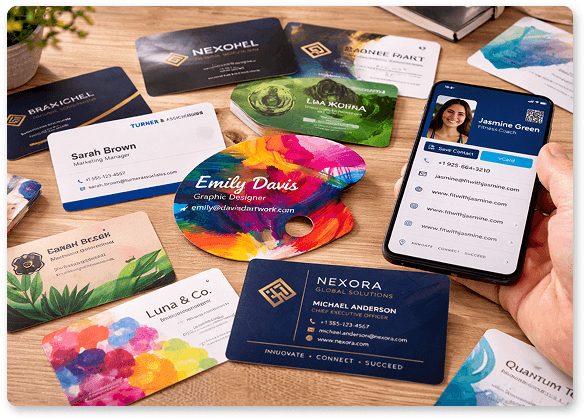
multiple-business-cards-collection-spread

Types of Business Cards

From creative designs to professional layouts, every type of business card serves a unique purpose. Some of the most common types include:
  • Standard Business Cards: The classic choice for professionals, which includes your name, title, company, phone, and email in a clean, simple layout.
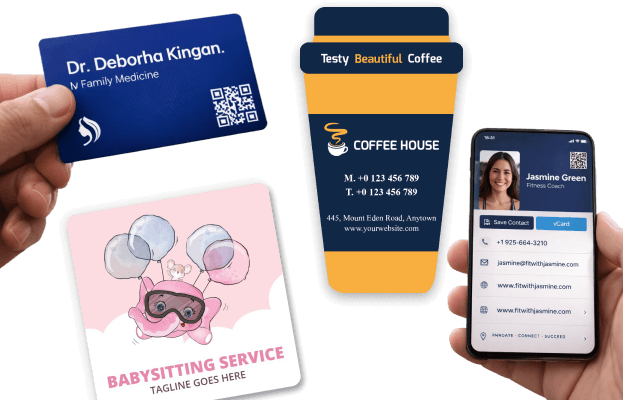
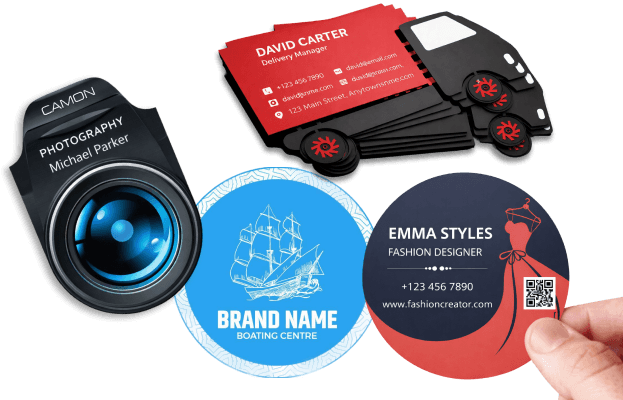
  • Creative Business Cards: Designed to stand out with bold visuals, unique shapes, or custom illustrations. This type is great for designers, artists, and creative professionals.
  • Corporate Business Cards: Polished and formal cards built for executives, teams, and large businesses that want a consistent, on-brand look.
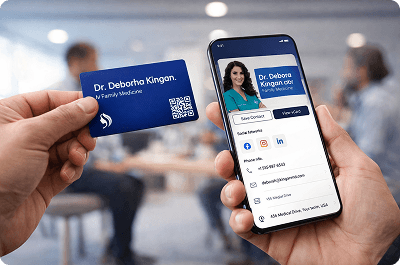
  • Digital Business Cards: A modern, paperless option you can share instantly via a link or QR code, perfect for networking in the digital age.

Benefits of Using Business Cards

Easy to remember:

A well-designed card stays with people long after the conversation ends.

Credibility:

Sharing a card instantly builds trust and makes your business look credible.
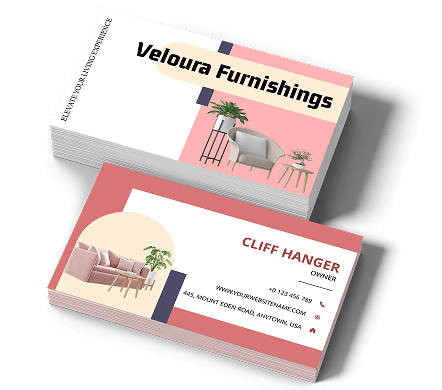
veloura-furnishings-stack-business-card

Personalization:

A physical card adds a human touch that a text or email simply can't replace.

Cost effective:

An affordable way to share contact details and promote a brand professionally.

How to Promote Business Cards?

attorney-law-business-card-handshake

Share It in Person

  • Networking Events: Carry your cards to every meetup, conference, or industry event - hand them out when the conversation feels right, not just at the end.
  • Local Businesses: Ask cafés, salons, or co-working spaces if you can leave a small stack of your cards at their front desk.
  • Every Purchase or Package: If you ship products or meet clients in person, slip a card into every bag, box, or envelope you send out.
digital-nfc-doctor-card-smartphone-scan

Online Promotion

  • Email Signature: Add a digital version of your card or a link to it at the bottom of every email you send.
  • Social Media Bio: Share a photo of your business card on LinkedIn or Instagram and invite people to reach out.
  • QR Code on Your Card: Add a QR code that takes people straight to your website, portfolio, or contact page the moment they scan it.
networking-business-card-exchange-office

Get Creative with Distribution

  • Referral Incentive: Give loyal customers a few extra cards to pass along to friends. Word-of-mouth works even better when there's something physical to hand over.
  • Pop-up Stalls or Markets: Set up at local markets or community events and make your card part of the experience, so people who pick one up are already interested.
  • Card Swap: Exchange cards with other small business owners or freelancers in your space.
house-shaped-real-estate-business-card

Make the Card Do the Talking

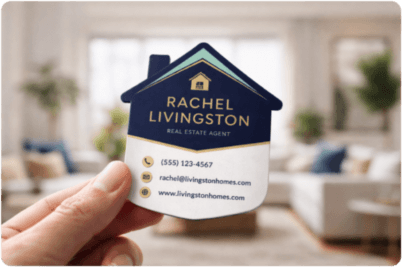
  • Unique Finish or Shape: A card that looks or feels different gets kept, shown to others, and remembered. Invest in a style of your cards that makes people say "wow."
  • Offer on the Back: Print a small discount, free consultation, or first-visit offer on the back of the card that gives people a real reason to hold onto it.
  • Mini Portfolio: Use the back of the card to show a sample of your work, a before-and-after, or a one-line result from a happy client.

Business Card Size Guide

business-card-sizes-chart-standard-slim-folded

Common Business Card Sizes

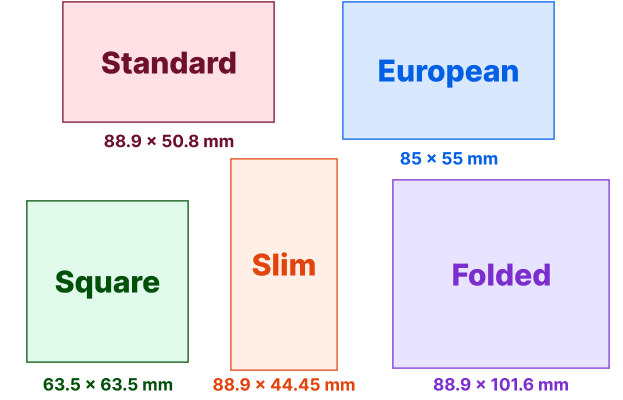
78% of people judge a company or person based on the quality of their business card. Here are a few sizes
  • Standard Business Card Sizes (88.9 x 50.8 mm): Widely used business card size that fits perfectly in wallets, cardholders, and pockets.
  • European Business Card Sizes (85 x 55 mm): The European format is popular across the UK, which feels more premium in hand.
  • Square Shape Sizes (63.5 x 63.5 mm): Perfect for Designers, photographers, and brands as it feels bold, modern & creative.
  • Slim Card Sizes (88.9 x 44.45 mm): Best choice for those looking for a modern and sleek card. Perfect for small businesses.
  • Folded Card Sizes (88.9 x 101.6 mm): They open up like a mini brochure and look impressive. Perfect for real estate agents and coaches.
digital-nfc-coffee-medical-business-card

Choosing the Right Size

  • Purpose: DeteThink about where and how you'll hand out your card. If you network at events, a standard size works best. If you want to stand out, a square or slim card makes a stronger impression
  • Content: The more details you need to include, like a tagline, QR code, or social handles, the more space you'll need. Don't squeeze everything onto a tiny card just to save money.
  • Budget: Larger or custom-shaped cards cost more to print. If you're ordering in bulk, stick to a standard size to keep costs low without sacrificing quality.
creative-shaped-business-cards-variety

Design Considerations

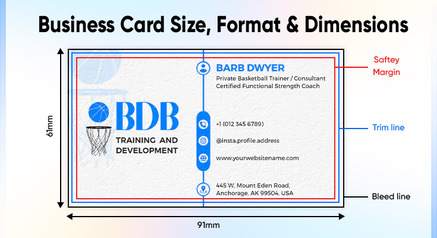
  • Margins and Bleeds: Always leave a small border around your text and key details. This protects your content from getting cut off during printing.
  • Readability: Your name, title, and contact details should be easy to read at a glance. Don't go too small with fonts or too busy with the background.
  • Printing Options: Talk to your print provider before finalizing your design. Different finishes like matte, gloss, or soft-touch can change how your card looks and feels.

How to Design a Business Card?

1. Set a Goal & User Type

Decide why you need a business card and define your target audience. It may help you network, promote your brand, or share contact details.

2. Add Your Name and Role

Clearly display your name and job title. This helps people quickly understand who you are and what you do.

3. Use Brand Colors & Fonts

Choose colors and fonts that match your brand identity. Consistent branding helps people recognize your business.

4. Add Your Logo

Include your business logo to strengthen brand recognition. A logo makes your card look more professional.

5. Use Simple Visual Elements

Icons or small graphics can make the design more attractive without making it cluttered.

6. Add a QR Code

A QR code can quickly link people to your website, portfolio, or social media profile.

7. Review Before Saving

Check for spelling errors, alignment issues, and missing details before downloading or printing your card.

Design a Business Card That Makes Your Brand Shine

Design a clear, well-structured design in minutes using professionally crafted templates that fit your needs and are easy to customize.

Business Card Design Tips & Trends

Stay updated with business card design trends, tips, and practical guidance.