
freshchat icon chat icon loading icon
customizable-invitation-templates

What is an Invitation?

An invitation is a message or design used to request someone’s presence at an event, occasion, or gathering. It communicates essential details like the purpose, date, time, and location, helping guests understand what to expect. Invitations can be shared in different formats depending on the audience and type of event.
Create Your Own Invitation
customizable-party-invitation-templates-online

Purpose of an Invitation

  • Invite & Inform: An invitation clearly communicates important details such as the event purpose, date, time, and location, so guests know exactly what to expect.
  • Set the Tone: The design, format, and invitation wording reflect whether the event is formal, casual, or themed, helping guests prepare accordingly.
  • Encourage Attendance: A well-written invitation message creates interest and excitement, increasing the chances of people attending your event.
  • Build Connection: Invitations make guests feel valued and personally included, strengthening relationships and engagement.
  • Guide Action: It may include RSVP details, dress code, or special instructions, helping guests respond and participate properly.

Why Some Invitations Instantly Grab Attention

Clear Information

Includes all essential details like event name, date, time, and location without confusion, ensuring guests can quickly understand the purpose.

Right Tone & Style

Aligns with the event type, whether it’s a formal invitation, casual gathering, or themed event, so guests know what to expect.

Visual Appeal

Balanced design elements, appropriate spacing, and minimal clutter enhance the overall look and feel of the invitation.

Memorable Impact

A combination of clarity, tone, and presentation ensures the invitation stands out and leaves a lasting impression on guests.

Strong Invitation Wording

Uses simple, engaging language that matches the tone of the event and communicates clearly with the audience.

Clean Structure

A well-organized invitation background with proper spacing and alignment improves readability and makes the content easy to scan.

Personal Touch

Adding names, custom messages, or thoughtful details makes the memorable invitation feel more unique and engaging.

Types of Invitations

Different occasions require different styles. Choosing the right type helps you communicate clearly and match the tone of your event.
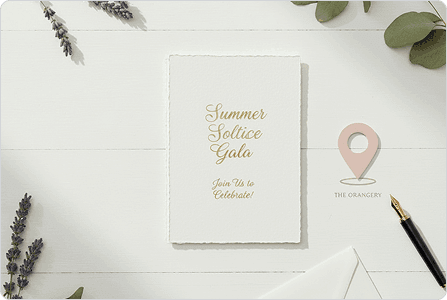
summer-solstice-gala-invitation-template

Formal Invitations

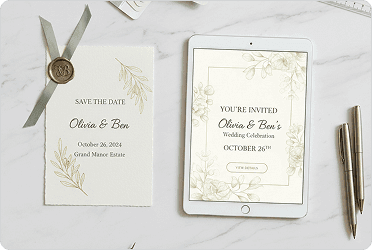
    Used for official or traditional events such as weddings, corporate functions, or ceremonies. These invitations follow a structured format with polite wording and elegant design.
    Best For: Weddings, formal dinners, business events
    Style Tip: Use classic fonts and minimal, refined layouts

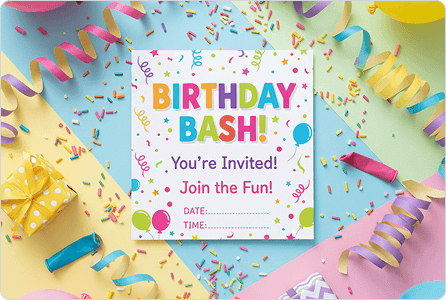
Informal Invitations

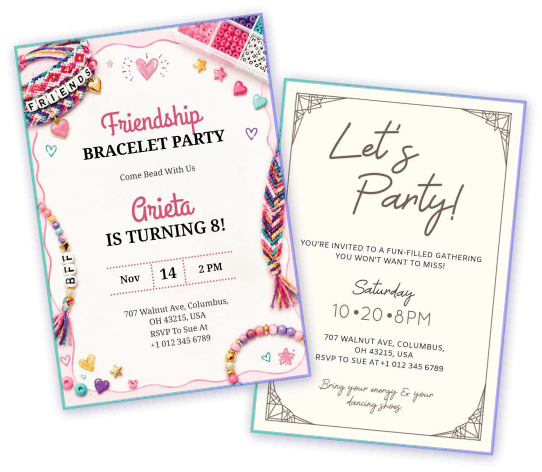
    Best for casual events like birthdays, parties, or get-togethers. They use friendly language and flexible designs to create a relaxed feel.
    Best For: Birthday parties, house gatherings, casual meetups
    Style Tip: Use playful fonts and bright, engaging colors
colorful-birthday-party-invitation-template
summer-solstice-gala-digital-invitation-template

Digital Invitation

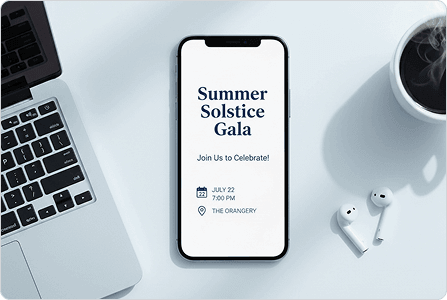
    Shared online through email, messaging apps, or social media. Digital invitations are quick to create, easy to distribute, and simple to update.
    Best For: Online events, quick invites, large audiences
    Style Tip: Keep design simple and mobile-friendly

Printed Invitations

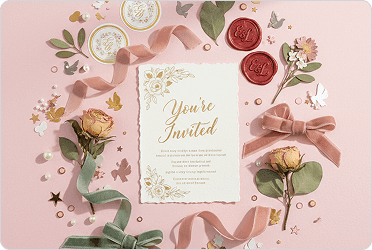
    Physical cards that are handed out or mailed to guests. They provide a tangible and premium experience, often used for special occasions.
    Best For: Weddings, formal celebrations, exclusive events
    Style Tip: Use high-quality materials and elegant typography
elegant-summer-solstice-gala-invitation-template

Key Elements of an Invitation

A well-structured invitation includes all necessary information while maintaining clarity and visual balance. These elements ensure your invitation is both informative and easy to understand.

basic-information

Basic Information

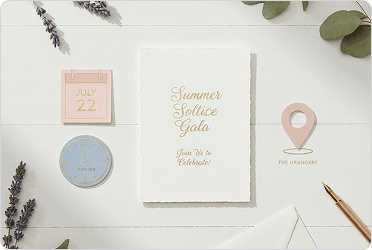
  • Event Title: Clearly state the event’s name or purpose so guests instantly understand what it’s about.
  • Date & Time: Provide accurate timing details to avoid confusion and help guests plan accordingly.
  • Location: Include the full venue address or digital event link for easy access.
elegant-wedding-invitation-template

Essential Details

  • Host Information: Mention who is organizing or hosting the event to add context and credibility.
  • RSVP Instructions: Guide guests on how to respond, including deadlines or contact details.
  • Dress Code (if any): Specify attire expectations for formal, casual, or themed events.
handwritten-calligraphy-invitation-template

Content & Messaging

  • Invitation Message: Use clear, appropriate language that matches the event’s tone and audience.
  • Purpose Statement: Briefly explain why the event is being held to set expectations.
wedding-save-the-date-invitation-template

Design & Format

  • Invitation Formats: Choose suitable formats, such as digital or printed, based on the audience and event type.
  • Invitation Background: Maintain proper spacing, alignment, and structure to ensure readability and visual balance.
elegant-floral-wedding-invitation-card-template

Additional Elements

  • Visual Elements: Add icons, images, or design accents to enhance appeal without overwhelming the design.
  • Special Instructions: Include extra details like entry rules, timing notes, or specific requirements.

Invitation vs Announcement

An invitation is used to request someone’s presence at an event or occasion. It is action-oriented and usually expects a response, such as an RSVP, because the host needs confirmation from guests. It includes important details like the event name, date, time, location, and a clear message.

An announcement, on the other hand, is meant to share information or news. It does not require any response from the recipient and is used to inform people about updates, events, or important notices.

In simple terms, an invitation encourages participation, while an announcement simply communicates information.

invitation-and-announcement-card-templates

Common Invitation Mistakes to Avoid

Avoiding common mistakes ensures your invitation looks clear, professional, and easy to understand, helping guests respond and engage with your event effectively.

  • Missing important details like date, time, or venue can confuse guests and reduce attendance.
  • Using unclear or complicated wording makes it difficult for recipients to understand the event details.
  • Overcrowding the invitation with too much text or design elements reduces readability and visual clarity.
  • Choosing hard-to-read fonts or too many styles makes the design look unprofessional and inconsistent.
  • Not including RSVP details makes it harder to manage guests and plan the event effectively.
  • Using the wrong tone that doesn't match the event type can create confusion among guests.
  • Poor layout and spacing make the invitation look unorganized and harder to read quickly.

How to Create an Invitation

Define the Purpose & Audience

Identify your event goal and target audience so your message remains clear, relevant, and easy to understand.

Choose the Right Type

Select the appropriate style based on the event and explore different invitation ideas to match your theme and audience expectations.

Write Clear Content

Use simple and direct invitation wording to include essential details like event name, date, time, and location.

Add Essential Information

Mention host details, RSVP instructions, dress code, or any special instructions guests should follow.

Select Style & Format

Choose suitable design elements and an appropriate invitation size that works well for both digital and print formats.

Review & Finalize

Check for errors, ensure clarity, and finalize your design to create a good invitation ready for sharing or printing.

Frequently Asked Questions (FAQs)

An invitation informs guests about an upcoming event and provides important details such as the occasion, date, time, location, and RSVP information.
A complete invitation typically includes the event name or occasion, date, start time, venue or location, host information, RSVP instructions, and any important guest requirements.
The ideal timing depends on the event. Invitations for casual gatherings may be sent a few weeks in advance, while weddings, formal celebrations, and larger events are often announced several weeks or months ahead.
Formal invitations generally use structured wording, polished typography, and a more traditional tone. Informal invitations can use conversational language, playful designs, and a more relaxed presentation.
Invitation wording should clearly communicate who is hosting the event, what the occasion is, when and where it will take place, and how guests can respond. The tone should match the type of event.
RSVP is a request for guests to confirm whether they will attend an event. An invitation may provide a response date and instructions such as a phone number, email address, or online response method.
Invitations can be shared as printed cards, email invitations, digital images, messaging-app messages, social media posts, or online event invitations, depending on the event and audience.
Choose the size and format based on how the invitation will be delivered and viewed. Printed invitations may require standard card dimensions, while digital invitations should use dimensions suitable for the intended screen or platform.
Use a clear information hierarchy, readable fonts, sufficient spacing, and strong contrast between text and background. Keep essential event details easy to find at a glance.
An invitation asks people to attend an event and usually includes details needed to participate. An announcement primarily communicates information and may not require guests to respond or attend.