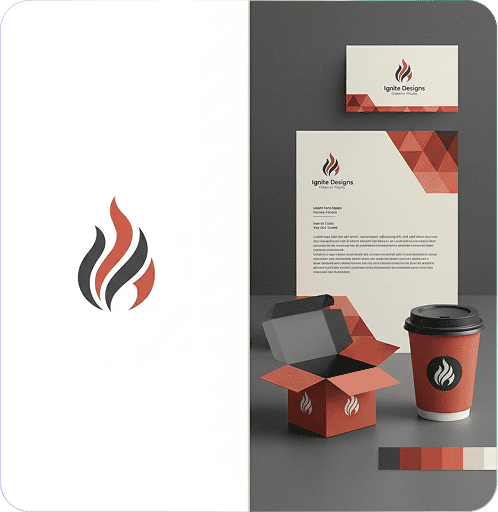



A logo is a visual symbol used to represent a brand, business, or individual. It can include text, icons, shapes, or a combination of elements designed to make a brand instantly recognizable. Logos help people identify your brand quickly and remember it over time through a clear and consistent visual identity.

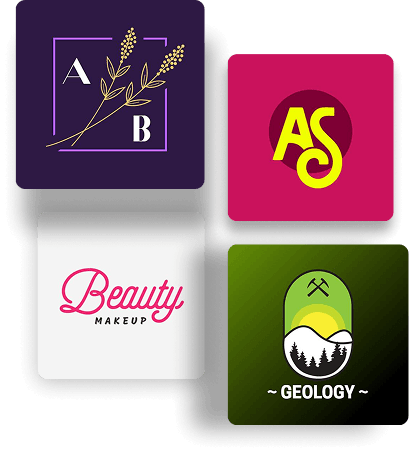
A logo should be easy to understand. Simple design improves clarity across different logo size formats.
A good logo should be easy to remember. A clear logo helps people recall your brand quickly.

A logo should match your brand identity. A professional logo communicates the right message to your audience.
A logo should work across platforms. It must stay clear in different logo size formats.
Color:
Color plays a crucial role in logo creation by representing brand personality and evoking specific emotions. The right color choices help create a strong visual connection with your audience.
Consistent use of colors improves brand recognition and makes your logo more memorable across platforms. It also ensures your brand maintains a unified and professional appearance in every interaction.
Typography:
Typography defines the tone and style of your logo, influencing how your brand is perceived. Choosing the right fonts ensures readability and reflects whether your brand is modern, classic, or creative.
Clear and consistent typography enhances visual appeal and helps communicate your message effectively. It ensures your logo remains easy to understand and recognizable across different sizes and formats.
Icon or Symbol:
An icon or symbol adds a strong visual element to your logo, helping represent your brand without relying only on text. It creates a quick and lasting impression on viewers.
Well-designed symbols improve memorability and make your logo easier to recognize. They also allow your brand to communicate visually across different platforms, even when text is limited or not used.
Tagline:
A tagline supports your logo by clearly communicating your brand’s message or value. It provides additional context, helping people understand what your business stands for at a glance.
When paired with a logo, a strong tagline strengthens brand identity and recall. It adds meaning to the design and makes your overall branding more impactful and easy to remember.
Different content requires different thumbnail styles. Popular categories include:
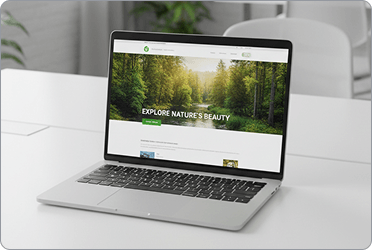
Place your logo in the header or footer to maintain strong brand visibility. Use it as a favicon to improve recognition across browser tabs. Keep placement consistent across pages to build a professional web presence.
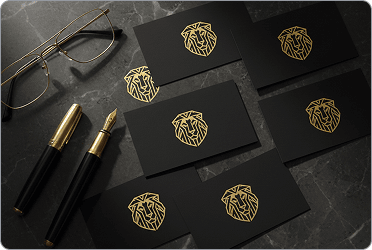
Add your logo to create a memorable first impression. Reinforce brand identity during offline interactions and networking. Ensure the logo is clear and well-positioned for better recall.

Use your logo on packaging, labels, and product designs. Improve brand recognition and build customer trust. Maintain consistent placement across all product lines.
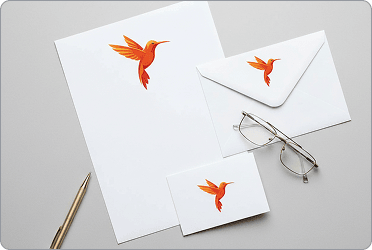
Include your logo in emails, newsletters, and campaigns. Make communication instantly recognizable and professional. Strengthen trust through consistent branding in every interaction.
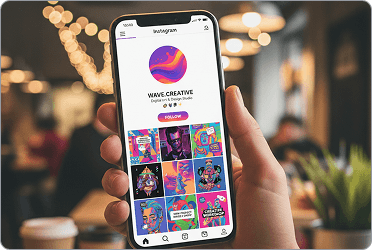
Use your logo in profile images and branded content. Maintain a consistent identity across all platforms. Increase visibility and recognition when content is shared.
Define what your logo represents. It should clearly communicate your brand message and purpose, helping people instantly understand and connect with your identity.
Understand your values, tone, and audience. Your professional logo should reflect your brand identity and connect with the right people effectively.
Select logos that match your brand personality. The right style improves recognition and strengthens how people remember your logo.
Choose colors that reflect your brand personality. Ensure your logo remains clear and effective across different logo size formats and backgrounds.
Use readable and professional fonts. Strong typography improves clarity and ensures your logo looks clean and easy to understand at every size.
A simple logo is easier to recognize and remember. Avoid unnecessary elements so your logo remains clean, clear, and effective everywhere.
Test your logo across different logo size formats. A scalable logo maintains clarity and quality on both small and large displays.
Create a distinctive logo that stands out. Unique logos help your brand stay memorable and build a strong identity in a competitive market while inspiring new logo ideas.
A logo is a visual symbol that represents your brand, while branding is the complete experience people have with your business. A logo is the recognizable mark people see first, but it is only one part of a much bigger picture. Branding includes your voice, messaging, values, colors, and overall identity that shape how people feel about your business.
A professional logo helps create a strong first impression, but branding builds long-term trust and connection. Your logo appears on websites, packaging, and social media, while branding ensures consistency in how your business communicates and delivers value across every touchpoint
In simple terms, a logo is a part of branding, not the whole. While types of logos help you create a visual identity, branding defines how your business is perceived in the market. A strong brand uses a consistent logo, clear messaging, and the right logo size across platforms to build recognition and trust over time.