
freshchat icon chat icon loading icon
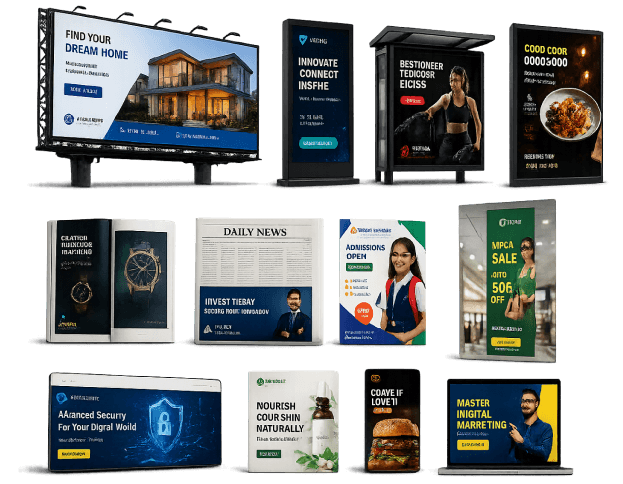
creative-ad-design-templates-showcase

What is an Ad Design?

An ad is a visual marketing message created to promote a product, service, or brand. It combines compelling text, visuals, and design elements to capture attention, communicate value, and encourage people to take action.
Create Your Own Ads Now
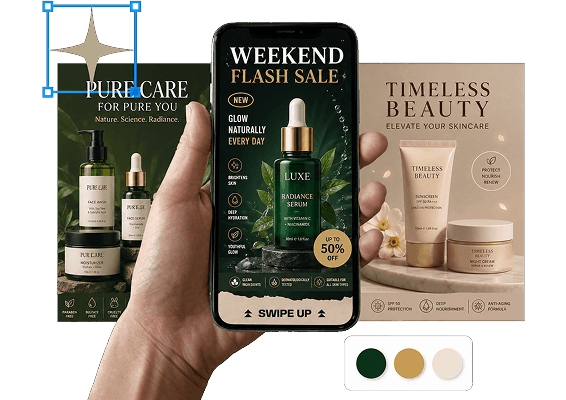
pure-care-natural-skincare-weekend-flash-sale

Purpose of an Ad

  • Promotion: Ads are created to promote products, services, or special offers by highlighting key benefits in a visually engaging way.
  • Brand Awareness: They help businesses introduce their brand to a wider audience and make it more recognizable.
  • Customer Engagement: Ads attract attention and encourage people to learn more, visit a website, or take action.
  • Lead Generation: Well-designed ads guide potential customers toward clicking, signing up, or making a purchase.
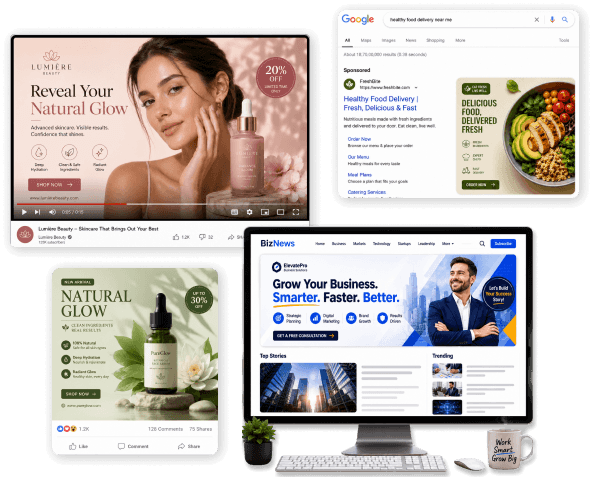
multi-platform-digital-ad-design-showcase

Types of Ad

  • Ads come in different formats depending on their platform and marketing goals. Common types include:
  • Social media ads: Used on platforms like Facebook, Instagram, and LinkedIn to reach targeted audiences.
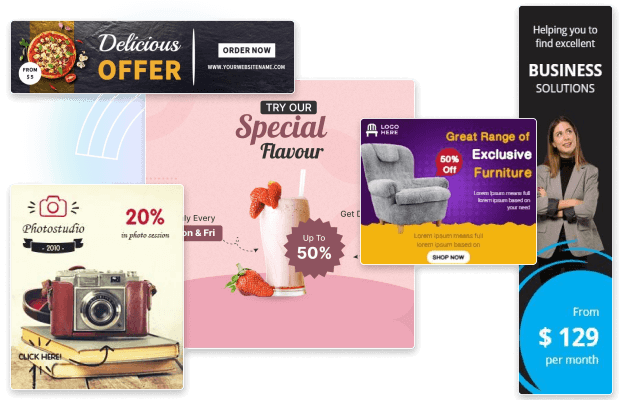
  • Display ads: Visual banner ads shown on websites and apps to promote products or services.
  • Search ads: Text-based ads that appear on search engines when users look for related products or services.
  • Video ads: Short promotional videos used on platforms like YouTube and social media.
  • Promotional ads: Designed to highlight discounts, product launches, or limited-time offers.

Why Run Ads for Marketing?

Ads are a powerful tool for businesses and individuals looking to promote their products, services, or ideas. Here's why they work:

Wider Reach:

Ads help you reach a large audience, often beyond your immediate network.

Brand Awareness:

They increase visibility and familiarity with your brand.
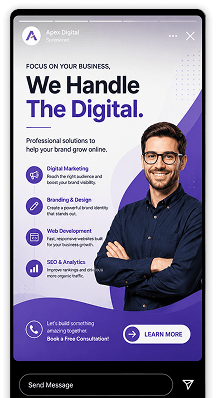
creative-ad-design-templates-showcase

Cost Efficiency:

Ads can be scaled according to your budget, making them accessible to businesses of all sizes.

Immediate Impact:

Ads can bring quick attention and results, particularly for time-sensitive promotions.

How to Promote an Ad?

Effective ad promotion strategies ensure your message reaches the right audience. Here's how you can promote your ad:
social-media-multi-platform-advertising-campaign-mockup

Targeted Distribution:

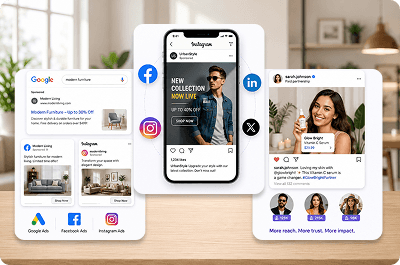
  • Social Media: Share your ad on various social platforms to target specific demographics.
  • Paid Ads: Run targeted campaigns on Google, Facebook, or Instagram to reach potential customers.
  • Influencers: Partner with influencers to promote your ad to their followers.
mens-fashion-ecommerce-responsive-multi-device-mockup

Online Channels:

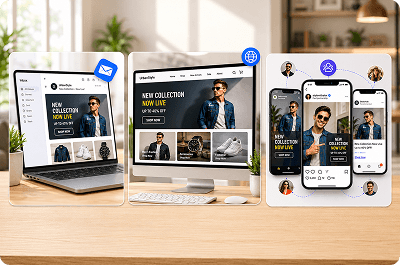
  • Email Campaigns: Send your ad via email to your subscriber list for direct engagement.
  • Website Promotion: Feature your ad prominently on your website to increase visibility.
  • Affiliate Marketing: Use affiliates to promote your ad through their channels, earning a commission for successful conversions.
mens-fashion-brand-outdoor-advertising-placement-mockup

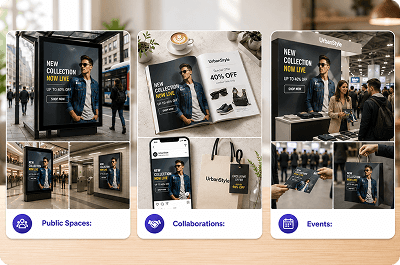
Strategic Placement:

  • Public Spaces: Place physical ads in high-traffic locations like malls, parks, or public transport stations.
  • Collaborations: Work with other brands or businesses to place ads in their locations or marketing materials.
  • Events: Distribute your ads during relevant events or conventions for direct interaction with your target audience.
mens-fashion-tv-print-media-advertising-mockup

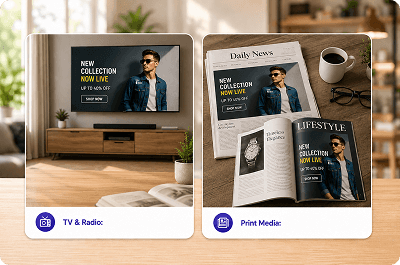
Traditional Media:

  • TV & Radio: Run your ad on local or national TV and radio stations to reach a broad audience.
  • Print Media: Place your ad in newspapers, magazines, or other print publications that your target audience reads.

Ad Size Guide

standard-display-ad-size-dimensions-guide

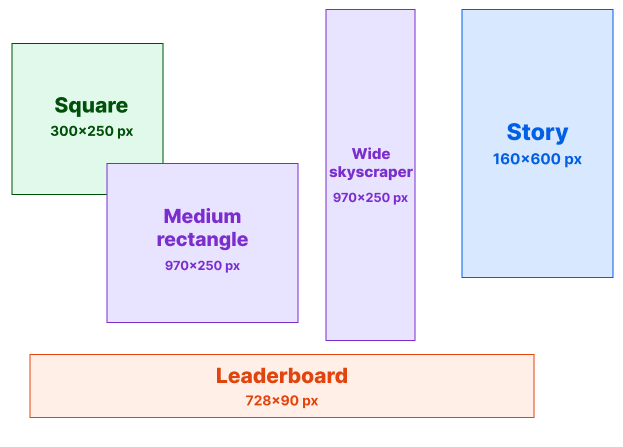
Common Ad Sizes

Different platforms require different dimensions. Using the right size ensures your ad displays correctly without cropping, distortion, or rejection by the platform.
  • Square (1080×1080px): The most versatile digital ad size. Works across Instagram, Facebook, and LinkedIn feeds without resizing.
  • Story (1080×1920px): Full-screen vertical format for Instagram, Facebook, and Snapchat stories. Maximum screen coverage on mobile.
  • Leaderboard (728×90px): Standard web banner placed at the top or bottom of pages. High visibility across the Google Display Network.
  • Medium rectangle (300×250px): The most widely served web ad unit. Compatible with almost every ad network and placement type.
  • Wide skyscraper (160×600px): Tall vertical format that stays visible as users scroll. Ideal for sidebar placements on content-heavy pages.
creative-display-banner-ad-design

Choosing the Right Size

  • Platform first: Always design to the exact spec of the platform running your ad. Google, Meta, LinkedIn, and Twitter each have different requirements and rejection thresholds.
  • Budget and volume: Smaller formats cost less to produce in large quantities for print.
  • Campaign goal: Awareness campaigns benefit from larger, visually dominant formats.
outdoor-print-digital-advertising-formats

Ad Design Considerations

  • Text-to-image ratio: Most digital platforms penalise ads with more than 20% text coverage.
  • Resolution and file size: Export digital ads as high-resolution PNG or JPG under the platform's file size limit.
  • Readability at small sizes: Test your ad at the actual display size before publishing.

How to Design an Ad?

1. Define Your Goal

Start by deciding what your ad should achieve, such as promoting a product, announcing a sale, or driving website traffic.

2. Choose the Right Visual Style

Select colors, fonts, and images that match your brand and make the ad visually appealing.

3. Write a Strong Headline

Create a short and clear headline that grabs attention and quickly explains the main message.

4. Highlight Key Details

Add important information like the offer, product benefits, or event details in short and easy-to-read text.

5. Use Eye-Catching Visuals

Include images, icons, or graphics that support the message and make the ad more engaging.

6. Add a Call-to-Action

Guide viewers on what to do next, such as "Shop Now," "Learn More," or "Sign Up." CTA should inspire users to take action.

7. Organize the Layout

Arrange text and visuals neatly so the ad is easy to read and understand at a glance.

8. Check for Clarity

Review spacing, alignment, and contrast to ensure the ad looks balanced and communicates the message clearly.

Start Creating High-Converting Ads

Type your industry, and explore well-designed, customizable templates that suit your business needs.